
Why E-Bike and E-Scooter Battery Fires Are Becoming a Bigger Urban Accident Risk in 2026
Urban accident discussions usually focus on roads, vehicles, and driver behavior. That still matters. But in 2026, one risk is becoming harder to ignore because it sits at the intersection of transportation, housing, charging infrastructure, and consumer safety: lithium-ion battery fires linked to e-bikes and e-scooters.
This is not just a product issue. It is now an accident-prevention issue. Cities are seeing more micromobility use, more indoor charging, more delivery fleets, more battery replacements, and more pressure on buildings that were never designed for this kind of daily charging load. When something goes wrong, the consequences can move fast. Lithium-ion fires can grow aggressively, spread indoors, and create immediate danger for riders, families, neighbors, and emergency responders.
That is why this topic fits Accident Wiki so well. It is not only about one device failing. It is about how an urban safety trend becomes an accident trend when rapid adoption outpaces regulation, storage rules, product quality control, and basic public awareness.
Why This Risk Is Growing in Cities
E-bikes and e-scooters solve real transportation problems. They are affordable compared with cars, useful for short trips, and especially important for delivery work and dense urban mobility. But the same trend that makes them popular also increases exposure to battery-related risk.
More devices on the road means more devices being stored, charged, modified, repaired, and used heavily every day. In many cities, charging happens inside apartments, corridors, offices, shared spaces, or storefronts. That means a battery incident is no longer just a rider issue. It can quickly become a building safety issue.
Why lithium-ion battery fires are different
Most people hear the word “fire” and imagine a slow-developing hazard they can notice early. Lithium-ion battery incidents do not always behave that way. Once thermal runaway begins, the situation can escalate quickly, produce intense heat, and become much harder to control than a typical small electrical fire.
That changes the accident discussion
At that point, the issue is no longer just whether the rider chose a cheap battery. The issue becomes whether the broader safety system was prepared at all.
What Commonly Leads to E-Bike and E-Scooter Battery Fires
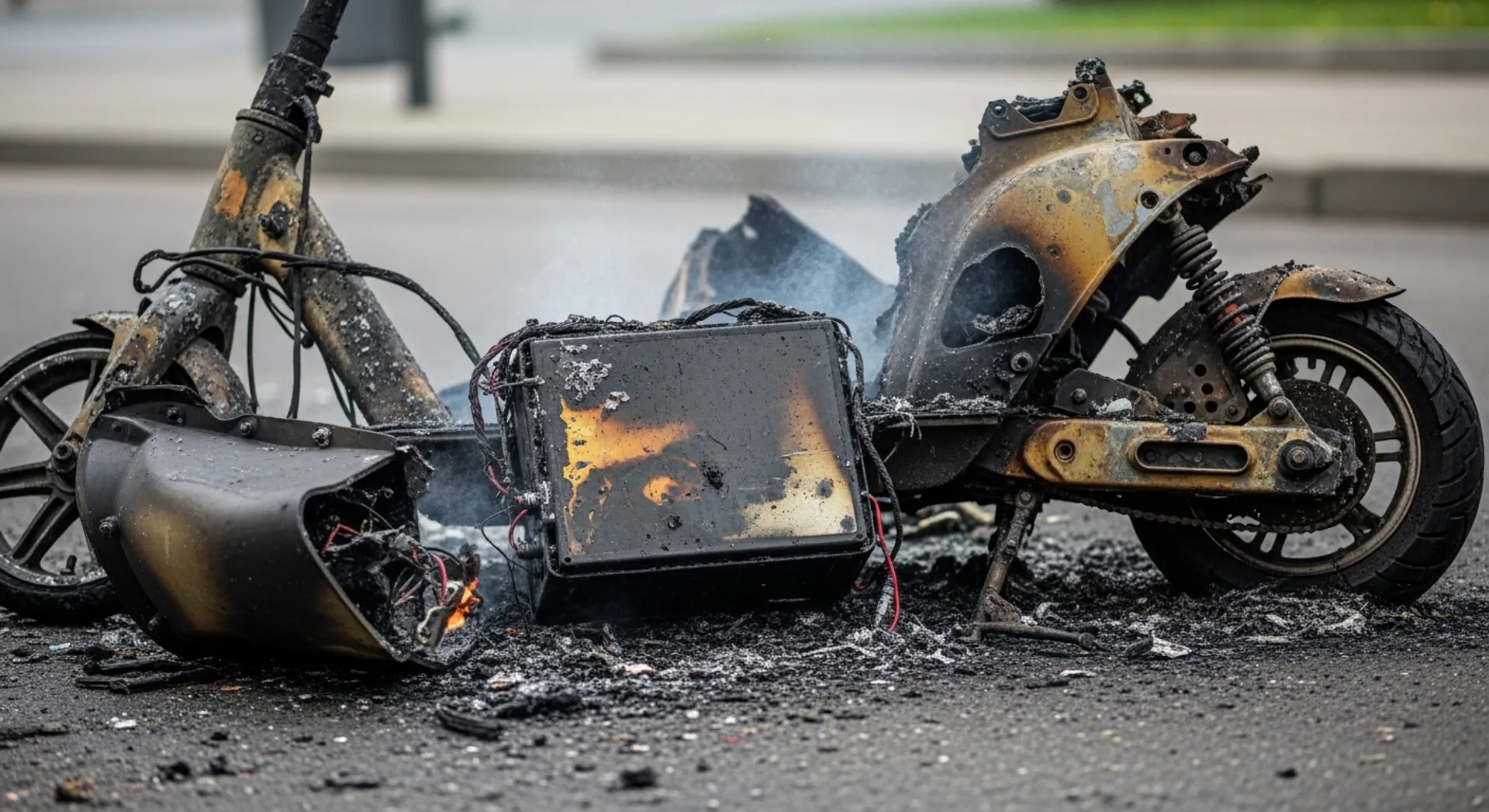
Battery fires rarely come from one cause alone. They usually come from a chain of preventable problems. Sometimes the issue starts with a poor-quality battery. Sometimes it is damage, improper charging, mismatched parts, or an unsafe repair. In other cases, the problem is aftermarket modification or a battery that has already been stressed beyond safe use.
Frequent risk factors include:
- using damaged or low-quality batteries
- charging with the wrong charger
- charging overnight without supervision
- storing batteries near exits or flammable materials
- using modified or uncertified replacement parts
- heavy commercial use without proper inspection
That list matters because it shows the risk is not abstract. These are normal real-world behaviors in urban environments, especially where people rely on e-bikes and scooters for daily work or essential transport.
Why This Is an Accident Trend, Not Just a Consumer Product Story
It is easy to treat battery fires as isolated product failures. That misses the bigger point. This is becoming a systems problem. The more cities rely on micromobility without matching safety rules, the more battery incidents shift from isolated defects into predictable accident patterns.
That pattern includes riders charging indoors because there is nowhere safer to charge. It includes gig workers pushing batteries hard because downtime costs money. It includes buildings with no clear charging rules. It includes cheap online replacement parts. And it includes public understanding that is still far behind the pace of adoption.
Urban safety systems are being tested
Battery fire risk forces cities to think beyond traffic lanes and helmets. It raises questions about housing codes, charging infrastructure, workplace safety, delivery regulations, product certification, and emergency response readiness.
That is why this topic belongs in urban accident coverage
When a transportation device creates a building emergency, the old silos stop making sense. It is all one safety ecosystem now.
Who Is Most Exposed to the Risk?
The risk does not fall evenly. Delivery riders, apartment dwellers, lower-income commuters, students, and people buying replacement parts on tight budgets are often exposed to more of it. That does not mean the devices are inherently unsafe. It means risk increases when cost pressure and weak regulation push people toward less reliable equipment and riskier charging habits.
High-exposure groups often include:
- delivery workers charging daily
- riders living in small apartments
- people using aftermarket batteries
- shared micromobility repair operations
- buildings without dedicated charging areas
This matters because accident prevention works best when it identifies where the risk concentrates instead of pretending exposure is equal for everyone.
What Cities, Property Managers, and Riders Can Do
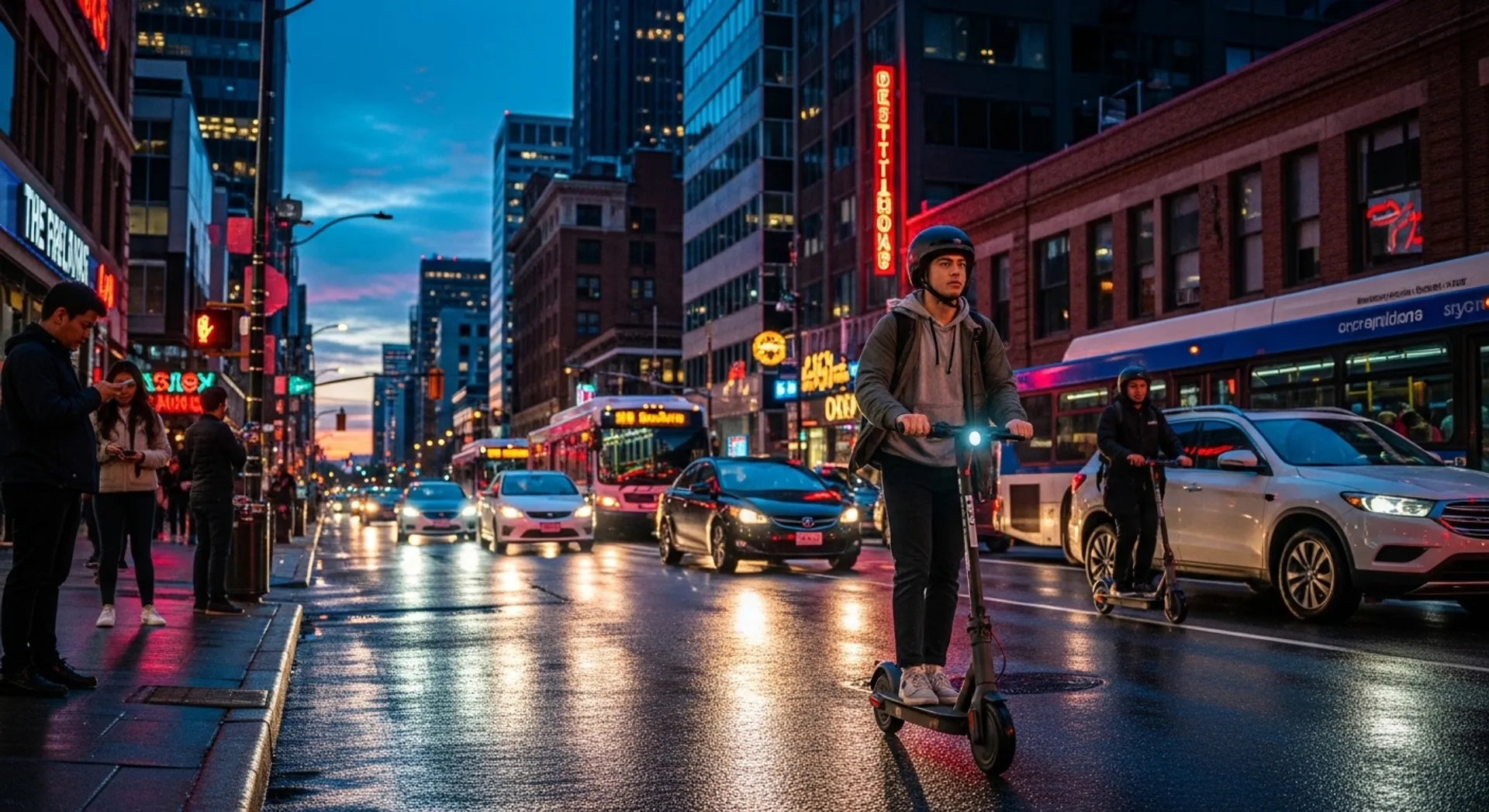
The answer is not banning everything. That is lazy policy. The real answer is reducing the accident risk in ways that match how people actually live and move.
Smarter urban safety steps include:
- encouraging certified batteries and chargers
- creating clear indoor charging rules
- adding safe shared charging infrastructure
- improving rider education on battery damage signs
- setting standards for repairs and replacements
- keeping exits and escape routes clear of charging devices
Those measures are not flashy, but they are realistic. Good accident prevention is usually boring before it is effective.
Final Thoughts
E-bike and e-scooter battery fires are not a niche problem anymore. They are a real urban accident risk shaped by transportation trends, housing realities, charging habits, product quality, and weak safety systems.
The blunt truth is this: cities cannot push micromobility growth while acting surprised when battery safety becomes a serious accident issue. If the infrastructure, rules, and public awareness stay weak, the incidents will keep happening.
Safer urban mobility is not just about getting people onto smaller vehicles. It is about making sure the systems around those vehicles are not setting them up to fail.