
Traffic Deaths May Be Falling, but Blackspots and Vulnerable Road Users Still Define Road Safety in 2026
Headlines about falling traffic deaths sound like good news, and they are. Any sustained decline in roadway deaths matters. But if that is where the conversation stops, the public gets the wrong idea. Safer trends at the national level do not mean the road safety problem is solved. In 2026, the more important question is where the remaining danger is concentrated and who is still taking the hardest hit.
The answer is not complicated. Risk is still clustering around blackspots, dangerous urban corridors, high-speed conflict points, and vulnerable road users such as pedestrians, cyclists, motorcyclists, scooter riders, and others without the protection of a vehicle shell. That is where road safety policy still wins or fails in the real world.
This is exactly the kind of angle Accident Wiki should own. The site already covers accident-prone areas, dangerous driving, and policy responses. This topic ties those threads together by explaining why broad traffic trends matter less than people think if cities are still leaving high-risk locations and vulnerable users exposed.
Why Falling Traffic Deaths Do Not Tell the Whole Story
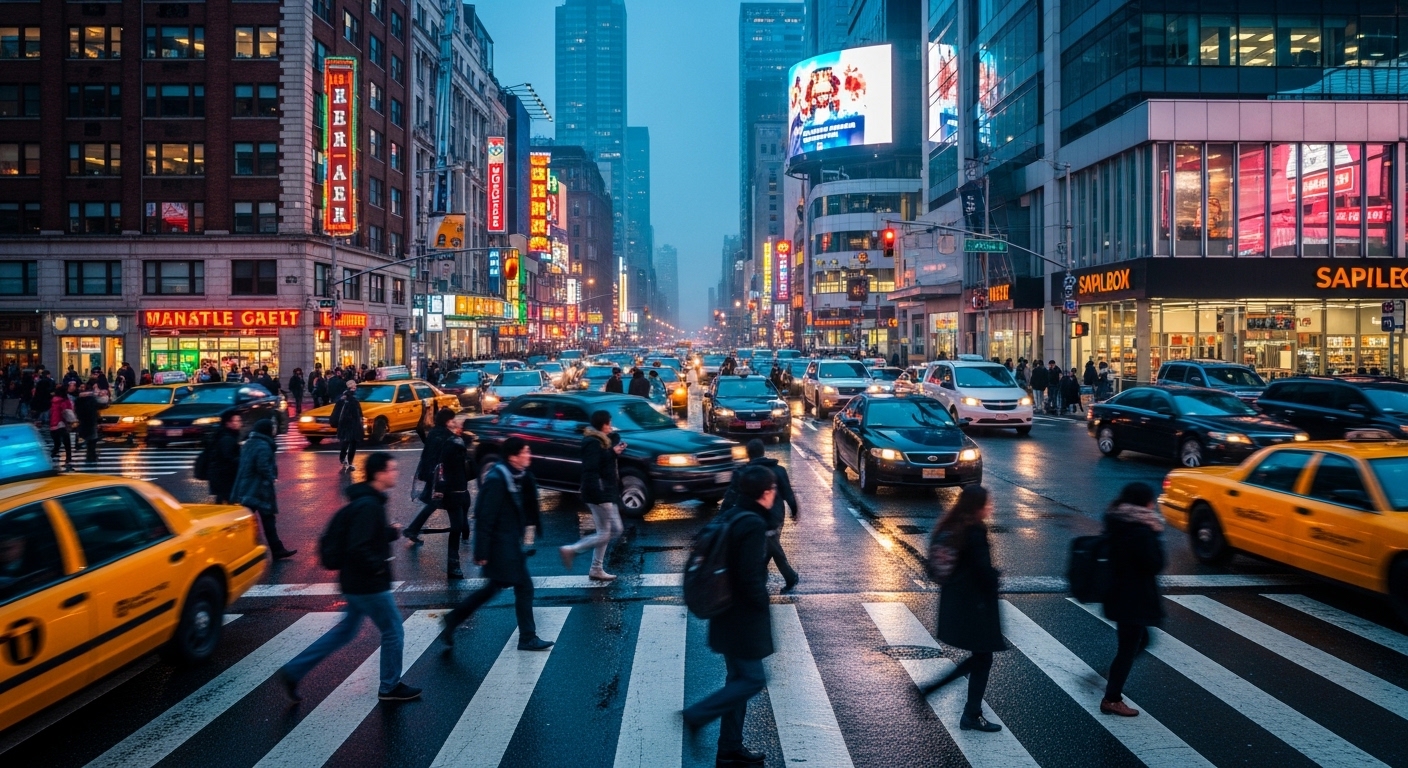
When deaths fall at the national level, the first instinct is to assume roads are getting broadly safer everywhere. That is too simplistic. Safety progress is rarely uniform.. And even when total deaths fall, the most exposed road users can still face unacceptable levels of danger.
That is why serious road safety analysis should never stop at the topline number. The better question is where the deaths are happening, why they are happening, and what parts of the system still keep producing predictable harm.
Why averages can hide real danger
A national trend smooths out local reality. One city may improve enforcement. Another may still have deadly intersections, poor lighting, weak pedestrian design, or chaotic mixed traffic. A lower national total can still sit on top of repeated failures at the local level.
That is where blackspots matter
Blackspots expose whether a safety system is actually learning. If the same kinds of places keep killing people, the system still has a design problem.
What Makes a Blackspot So Dangerous?
A blackspot is not just a place where one bad crash happened. It is a location with repeated risk. The danger often comes from a combination of bad road design, speeding, poor visibility, complex turning movements, weak pedestrian protection, confusing lane behavior, or a mismatch between how roads are engineered and how people really use them.
Some blackspots are urban intersections. Some are fast corridors cutting through dense areas. The important point is that blackspots are rarely mysterious. Once a pattern appears, the location is telling you something.
Common features of high-risk blackspots include:
- poor lighting or visibility
- unsafe crossing conditions for pedestrians
- high-speed traffic near local activity
- unclear lane markings or turning conflicts
- weak enforcement and inconsistent driver behavior
- road design that invites mistakes with severe consequences
If those features sound familiar, that is because blackspots often reflect the same failure pattern repeated in different places.
Why Vulnerable Road Users Remain at the Center of the Problem
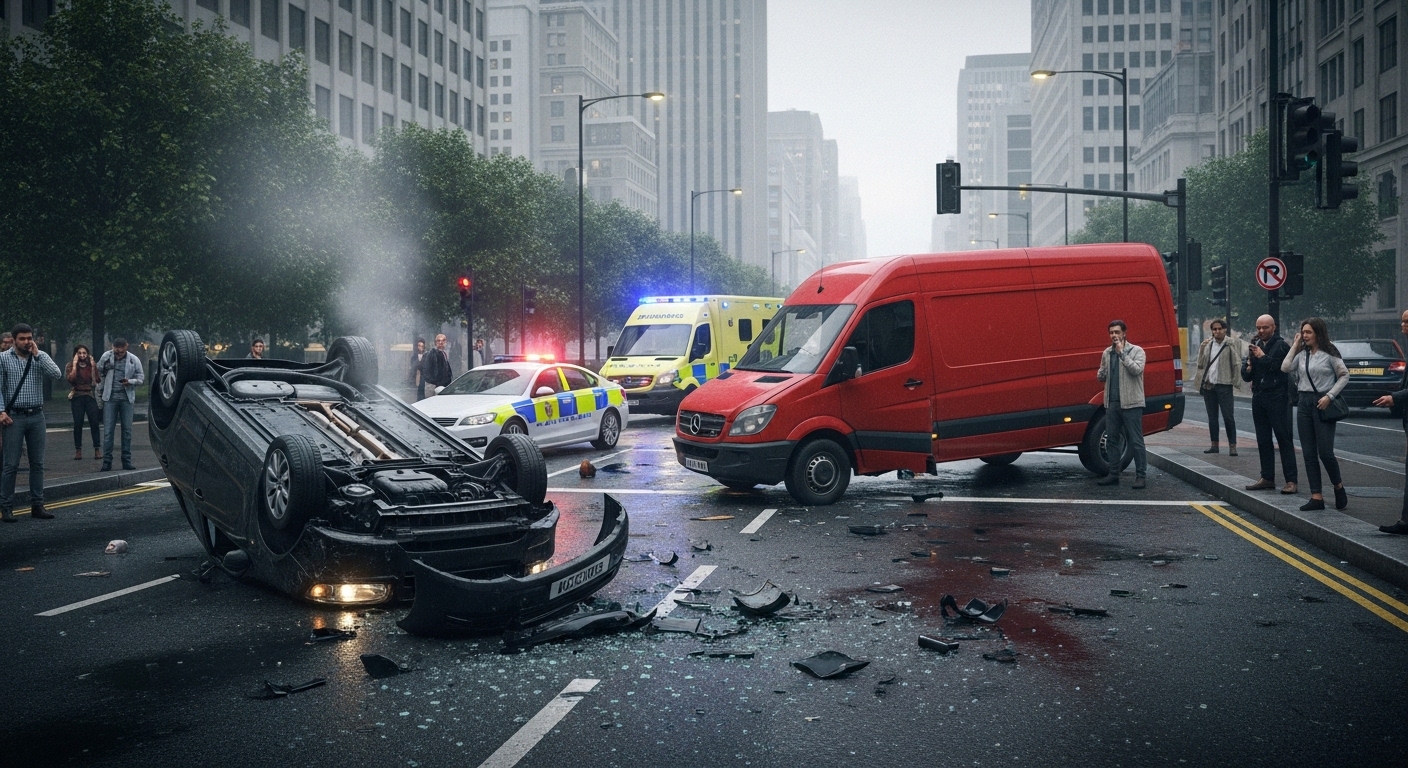
When a crash involves two cars, both occupants at least have some structural protection. Vulnerable road users do not. That is why safety progress can feel uneven even when overall fatalities go down. The people outside the protective shell of a vehicle continue to face the highest physical risk when road design, speed, visibility, or driver behavior go wrong.
That includes pedestrians trying to cross unsafe streets, cyclists using incomplete infrastructure, scooter riders mixing with larger vehicles, and motorcyclists navigating roads built with cars as the default priority.
Why the exposure is structural
This is not only a behavior problem. It is a design problem. When streets are built for speed first and human vulnerability second, serious injury risk stays high even if driver behavior improves in some areas.
Safer roads require safer assumptions
The Safe System approach matters because it starts from a hard truth: people will make mistakes. The system has to be designed so those mistakes do not become death sentences.
What Better Road Safety Policy Looks Like in 2026
Good road safety policy is less about slogans and more about repeatable interventions. The best policies focus on the places and users with the highest risk instead of spreading attention evenly just because it sounds fair.
Policies that usually move the needle include:
- targeting blackspots for redesign
- reducing speed in conflict-heavy areas
- improving crossings, signals, and visibility
- using better crash data to identify repeat-risk locations
- protecting pedestrians and cyclists in dense urban corridors
- linking enforcement with engineering, not replacing engineering
This matters because enforcement alone is not enough. A badly designed road that depends on perfect behavior is still a badly designed road.
How This Topic Fits Accident Wiki’s Existing Content
This post fits directly into the site’s existing structure. Internally, it can connect to Gurgaon Blackspots, Delhi’s Road Safety Roadmap to Halve Crashes by 2030, Push for Mandatory Speed Governors After Deadly Ladhowal Crash, and Why Vulnerable Road User Safety Is One of the Biggest Accident Trends in 2026.
Suggested internal links for this post
- Gurgaon Blackspots: 50 Lives Lost at High-Risk Locations
- Delhi’s Road Safety Roadmap to Halve Crashes by 2030
- Push for Mandatory Speed Governors After Deadly Ladhowal Crash
- Dangerous Driving in Nagpur: 112 Dead, 429 Injured in Early 2025
- Why Vulnerable Road User Safety Is One of the Biggest Accident Trends in 2026
What Policymakers Still Get Wrong
Too many policy responses still treat crashes like isolated human mistakes instead of predictable outcomes shaped by road design, speed, visibility, and exposure. That mindset leads to weak fixes. It produces awareness campaigns without redesign, enforcement without safer crossings, and promises without follow-through on known high-risk locations.
The blunt truth
If authorities already know where people keep getting killed, the blackspot is no longer just an accident site. It is evidence of delayed prevention.
That is why accountability matters
Safety policy should not be judged by how strong it sounds after a tragedy. It should be judged by whether known danger points are actually made safer before the next one happens.
Final Thoughts
Falling traffic deaths are real progress. But they should not make anyone complacent. In 2026, the deeper road safety story is still about concentration of risk: dangerous blackspots, unsafe urban corridors, and vulnerable road users left exposed by systems that were supposed to protect them.
If policymakers want the next round of progress, they need to stop treating road deaths like random bad luck. The patterns are visible. The locations are visible. The vulnerable users are visible. The question is whether the safety system responds before the next headline forces it to.