
School Bus Alcohol Detection Systems: Why Impaired Driving Prevention Matters
School bus alcohol detection is now a major road safety topic after federal investigators called for stronger prevention technology in new school buses. The issue is simple and serious. Children depend on school buses every day, and parents expect the driver to be sober, alert, trained, and ready to protect young passengers.
School buses are generally one of the safer ways for children to travel. Their size, visibility, and route structure give them safety advantages. But when a bus driver operates under the influence, those protections can disappear fast. A single impaired decision can put dozens of students at risk.
The National Transportation Safety Board recently recommended that all new school buses include vehicle-integrated alcohol detection systems. These systems can stop a bus from operating if the technology detects possible driver impairment. The recommendation followed a serious West Virginia school bus crash investigation.
For Accident Wiki readers, this topic connects with road safety policy, accident prevention, vulnerable passengers, crash technology, and transportation accountability. It also raises a larger question: should public transportation vehicles that carry children use stronger technology to prevent impaired driving before the bus ever moves?
Why School Bus Alcohol Detection Is Becoming a Bigger Safety Issue
School bus alcohol detection matters because the consequences of impaired driving are much higher when a vehicle carries children. A school bus driver is not only driving from one place to another. The driver has responsibility for students who may not understand danger, may not wear restraints properly, and may not react quickly during a crash.
Impaired driving can affect judgment, reaction time, lane control, speed control, and decision-making. On a school bus route, those problems can create danger near stops, intersections, rural roads, curves, bridges, and school zones. The risk increases when the bus carries many students.
Unlike ordinary traffic stops, school bus trips follow routine patterns. Buses pick up children at known times and places. That predictability can help safety planning. It also makes prevention technology easier to justify because the same vehicle, driver, and route system may operate repeatedly.
What vehicle-integrated alcohol detection means
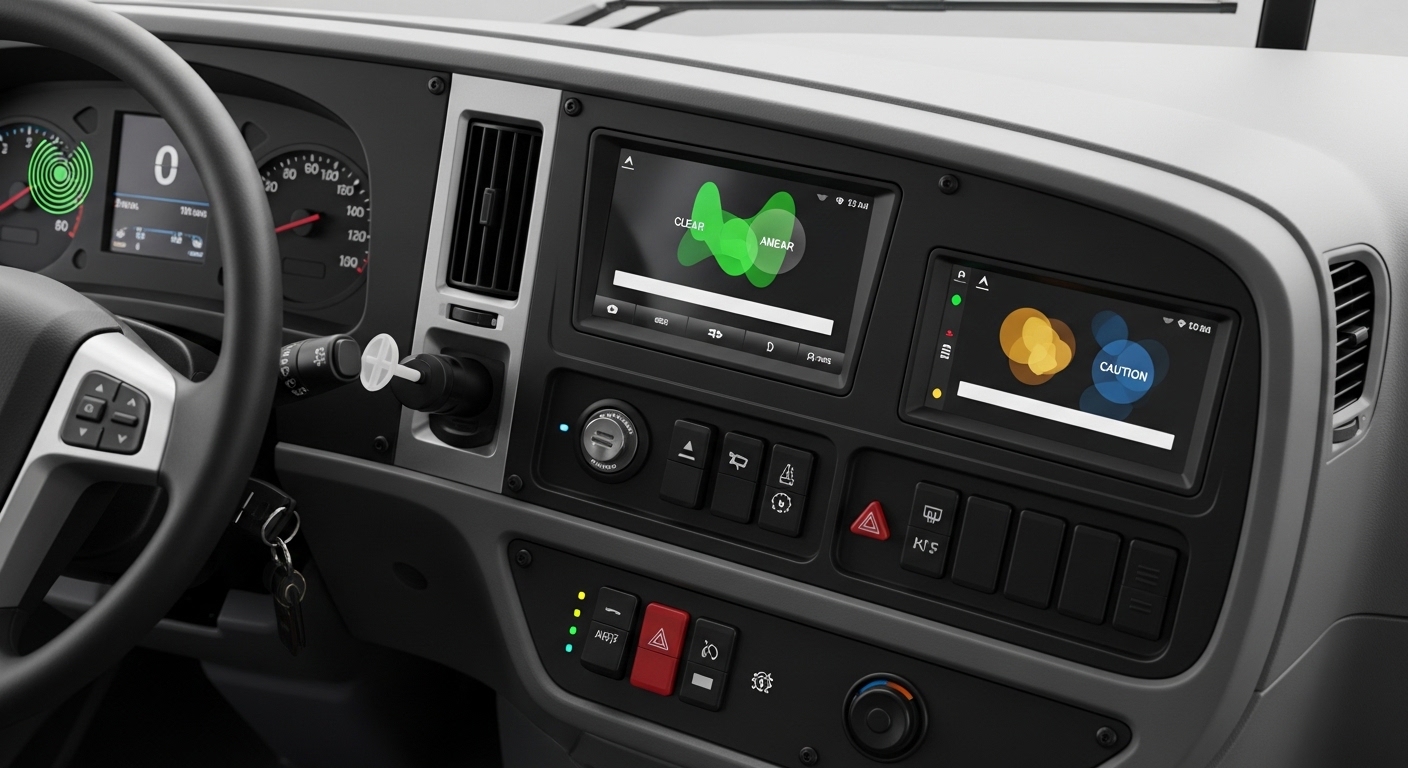
Vehicle-integrated alcohol detection refers to technology built into the vehicle’s operation. The goal is to detect alcohol before or during driving. If the system identifies impairment, it can prevent the vehicle from starting or moving.
This idea is different from waiting for police to catch an impaired driver on the road. It tries to stop the danger before the bus leaves the yard, school, or pickup area. For school transportation, that prevention-first approach makes sense.
These systems may use active or passive detection methods. Active systems may require a direct test. Passive systems may detect alcohol through cabin air, sensors, or driver monitoring technology. The final design depends on regulation, cost, reliability, and vehicle manufacturer standards.
Why prevention before ignition matters
Once an impaired driver starts a school bus route, the risk becomes harder to control. Students may already be inside the bus. The bus may enter traffic, rural highways, bridges, or school zones. Other drivers may not know anything is wrong until a crash happens.
Pre-ignition prevention changes that timeline. It moves safety action to the earliest possible moment. Instead of relying only on supervision, reporting, or law enforcement, the vehicle itself becomes part of the safety system.
This does not remove the need for hiring standards, driver training, medical checks, discipline, and supervision. It adds another layer. In road safety, layers matter because one failed safeguard should not allow a preventable crash.
Why school bus drivers face a higher safety standard
School bus drivers carry children, so the public expects a higher standard. That expectation is fair. A school bus driver must handle a large vehicle, watch traffic, manage stops, monitor passengers, and follow strict routes.
Even small mistakes can create serious results. A missed curve, late brake, poor turn, or wrong speed can injure students and other road users. Alcohol makes those risks worse.
This is why technology-based prevention deserves attention. It supports the driver, protects children, and gives school districts another tool to reduce preventable risk. It also sends a clear message that impaired school bus driving should never be treated as a normal workplace issue.
How Alcohol Detection Systems Fit Into School Bus Crash Prevention
School bus alcohol detection should not stand alone. It should fit into a larger safety system. A safer school bus program should include driver screening, training, route planning, vehicle maintenance, seat belt policy, emergency drills, and incident reporting.
Technology can help, but it cannot replace leadership. School districts, bus contractors, regulators, and transportation agencies must still enforce safety rules. They must also respond quickly when warning signs appear.
Alcohol detection systems can make that response stronger. They create a barrier between impairment and vehicle movement. That barrier can protect students before anyone has to call 911, review crash footage, or explain why an impaired driver had access to a bus.
Seat belts and rollover protection still matter
The NTSB also renewed attention on passenger lap and shoulder belts. This matters because large school buses often rely on compartmentalized seating. That design can help in some crashes, but it may not protect students enough in rollovers or side impacts.
During a rollover, unbelted children can move out of their seating area. They may strike hard surfaces, hit other passengers, or suffer partial or full ejection. Seat belts can reduce that movement when students wear them correctly.
This creates another safety lesson. Preventing driver impairment is critical, but crash protection still matters. A strong safety system should reduce the chance of a crash and reduce the harm if a crash still happens.
Why student passengers are vulnerable
Children are vulnerable passengers because they depend on adults for safe transportation. They cannot choose the driver. They cannot inspect the bus. They usually cannot judge whether the driver is fit to operate the vehicle.
Younger students may also struggle to stay seated, follow instructions, or use belts correctly without enforcement. During a crash, they may not brace or react in time. That makes prevention and occupant protection even more important.
This connects with Accident Wiki’s broader article on vulnerable road user safety. The same principle applies here. People with less control and less protection need stronger safety systems around them.
What schools and transportation agencies should review

School transportation programs should review more than the bus itself. They should look at hiring policies, random testing rules, complaint handling, route supervision, maintenance records, and driver fitness procedures. A weak system can miss warning signs.
Agencies should also track near misses, parent complaints, driver behavior reports, and route incidents. Patterns matter. One complaint may not prove impairment, but repeated concerns should trigger review.
Alcohol detection technology can support that process. It can create a clear prevention step before the bus operates. It can also help districts show that they take student safety seriously.
This topic also connects with Accident Wiki’s article on traffic deaths, blackspots, and vulnerable road users. National safety improvement does not mean every risk is solved. Some risks need targeted action.
It also fits with the post on vehicle blind zones and pedestrian safety. School bus safety depends on visibility, driver awareness, safe design, and protective systems working together.
Final thoughts
School bus alcohol detection systems are not about punishing responsible drivers. They are about preventing a known danger before children are placed in harm’s way. That is the right safety mindset.
The strongest approach uses several layers. Screen drivers carefully. Train them well. Maintain buses properly. Use seat belts where required. Enforce student belt use. Track complaints. Improve routes. Add alcohol detection technology to stop impaired operation before ignition.
For official background, readers can review the NTSB recommendation on alcohol detection systems in school buses. It explains why investigators see this technology as an important step for preventing impaired school bus driving.
The blunt truth is clear. A school bus should never depend on luck to keep an impaired driver off the road. When children are passengers, prevention should start before the engine starts.