
Automated Vehicle Crash Reporting in 2026: Why Robotaxis, Driver-Assistance Systems, and Safety Data Need More Transparency
Automated vehicle crash reporting is becoming one of the most important road safety topics in 2026. As robotaxis, automated driving systems, and advanced driver-assistance features appear in more cities and vehicles, the public needs more than marketing claims. Drivers, pedestrians, cyclists, regulators, city planners, and crash victims need clear information about when these systems work, when they fail, and what happens after a crash.
The issue is not whether vehicle technology can improve safety. Many safety systems have real potential. Automatic emergency braking, lane support, blind-spot alerts, driver monitoring, and future automated driving systems may help reduce certain crashes. But safety promises must be supported by transparent crash data, honest system limits, and careful investigation when something goes wrong.
In 2026, the conversation is bigger than “self-driving cars.” It includes robotaxis operating in limited service areas, test vehicles on public roads, consumer vehicles with Level 2 driver-assistance systems, and companies using different names for features that still require human supervision. That can create public confusion. A driver may believe a system is more capable than it really is, while a pedestrian may not know whether a vehicle nearby is being driven by a person, software, or both.
This article explains why automated vehicle crash reporting matters, what safety data should show, and how better transparency can help prevent future accidents.
Why Automated Vehicle Crash Reporting Matters in 2026
Crash reporting is important because it turns individual incidents into safety lessons. One crash may look unusual. A pattern of crashes can reveal a deeper problem. For automated vehicles and driver-assistance systems, crash data can help answer questions that ordinary crash reports may miss. Was the system engaged? Did the vehicle detect the hazard? Did it brake? It warn the driver? A human override the system? The crash happen in conditions the system was designed to handle?
The NHTSA Standing General Order on Crash Reporting requires identified manufacturers and operators to report certain crashes involving vehicles equipped with automated driving systems or SAE Level 2 advanced driver-assistance systems. NHTSA explains that this reporting helps the agency receive timely notification of real-world crashes and respond to safety concerns through investigation and enforcement when needed.
This connects with Accident Wiki’s article on AI near-miss detection in 2026. Crash data tells us what already went wrong. Near-miss data can show where danger is building before a serious injury occurs. Together, both forms of data can make road safety planning smarter.
Crash Counts Alone Do Not Tell the Whole Story

A simple crash count can be misleading. If one company reports more crashes than another, that does not automatically prove its technology is worse. It may operate more vehicles, drive more miles, test in more complex urban areas, or have better telemetry that captures more incidents. Another company may report fewer crashes because it has fewer vehicles, less exposure, weaker data access, or delayed reporting.
This is why automated vehicle crash reporting should include context. The public needs to understand miles driven, operating locations, road conditions, weather, speed, lighting, whether a safety driver was present, whether the system was engaged, and how severe the crash was. Without context, crash numbers can be used unfairly either to exaggerate danger or minimize real risks.
Why Miles Driven and Operating Conditions Matter
A robotaxi operating in dense city traffic faces different risks than a test vehicle driving on a quiet suburban road. A vehicle operating at night may face different challenges than one operating in daylight. Construction zones, emergency vehicles, cyclists, pedestrians, double-parked vehicles, faded lane markings, and unusual road behavior can all affect performance.
Good reporting should help people understand where and how the vehicle was operating. A crash in a clearly mapped service area may mean something different from a crash during unusual weather or road construction. Safety data should not only say that a crash happened. It should help explain the conditions around it.
Why System Engagement Must Be Clear
One of the most important questions after any automated vehicle or driver-assistance crash is whether the system was engaged. If a human was driving manually, the crash should be analyzed differently from a crash where an automated system was controlling speed, steering, or both. If a driver-assistance system was active but required human supervision, investigators must also ask whether the driver was paying attention.
This matters because public language can be confusing. Terms like autopilot, full self-driving, driver assist, automated driving, and robotaxi do not always mean the same thing. NHTSA says consumer vehicles currently available still require full driver attention, and that fully automated vehicles are not available for purchase by consumers today.
Robotaxis Raise New Questions for Cities and the Public
Robotaxis create a different kind of crash reporting challenge. When a vehicle operates without a traditional driver, the public needs to know how incidents are handled. Who reports the crash? Who retrieves the vehicle data? Explains what happened to police, city officials, passengers, and injured road users? What happens if the vehicle blocks traffic, stops in an unsafe place, or behaves unpredictably near emergency responders?
These questions matter because robotaxis share streets with people who did not agree to participate in a technology test. A pedestrian in a crosswalk, cyclist in a bike lane, road worker in a construction zone, or driver at an intersection may all interact with these vehicles. Transparent reporting helps cities decide where these vehicles should operate and what safety rules should apply.
Accident Wiki’s guide on vulnerable road user safety in 2026 fits naturally here because pedestrians, cyclists, scooter riders, and motorcyclists often face the highest risk when a vehicle fails to detect or predict them correctly.
Public Streets Are Not Private Test Tracks
Automated vehicle companies may need real-world testing to improve technology, but public roads are not private laboratories. People using the road deserve accountability when testing affects their safety. Crash reports, disengagement information, complaint systems, and city-level incident tracking can all help create a more honest safety picture.
Transparency does not mean every company secret must be published. But it does mean the public should not be asked to simply trust that everything is safe. When vehicles operate around real people, the safety evidence should be strong enough to withstand public review.
What Better Safety Transparency Should Include
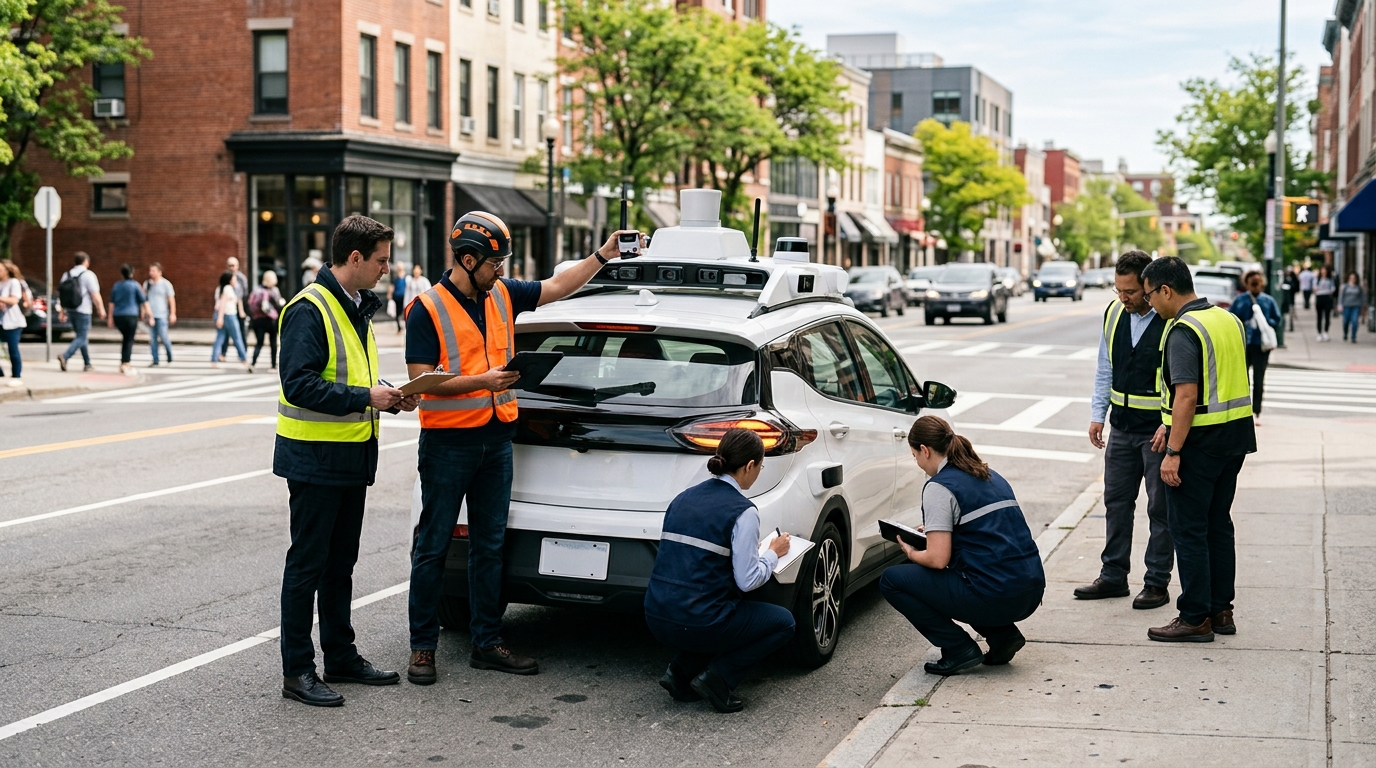
Better automated vehicle safety transparency should be practical, not just technical. Regulators, researchers, journalists, safety advocates, and ordinary road users should be able to understand the basic facts of a crash. That includes where it happened, what the vehicle was doing, whether automation was active, who or what was struck, whether anyone was injured, and what the company or regulator did afterward.
The NHTSA automated vehicle safety page explains that automated technologies may reduce crashes and injuries in some circumstances, but it also emphasizes that driver engagement remains necessary for consumer-available technologies. That balance is important. The technology may help, but it should not be oversold.
Accident Wiki’s article on pedestrian AEB systems in 2026 is a useful internal link because it shows the same principle: safety systems can help, but they should be measured by real-world performance, not only promises.
Safety Data Should Be Useful for Prevention
The best crash data is not only historical. It should help prevent future accidents. If reports show repeated problems near intersections, emergency vehicles, construction zones, cyclists, left turns, nighttime driving, or sudden stops, that information should lead to action. Companies can adjust software. Cities can improve street design. Regulators can investigate defects. Drivers and passengers can better understand limitations.
Useful reporting should also separate crash severity. A minor contact at low speed is different from a crash involving serious injury, a vulnerable road user, an airbag deployment, or a hospital transport. All reports can matter, but severe outcomes deserve special attention.
Why Near-Miss Reporting May Be the Next Step
Crash reporting is necessary, but near-miss reporting may become just as important. A vehicle that repeatedly brakes hard near the same intersection, fails to predict cyclists, hesitates around emergency scenes, or stops unexpectedly in traffic may be showing warning signs before a crash occurs.
Near-miss data can help identify dangerous patterns early. This connects with Accident Wiki’s coverage of speed safety cameras in 2026, because automated enforcement and automated vehicle data both raise the same question: how can technology be used responsibly to reduce preventable harm?
Automated vehicle crash reporting in 2026 should be clear, consistent, and honest. The public does not need hype. It needs usable safety information. Robotaxis, driver-assistance systems, and future automated vehicles may become part of safer roads, but only if crash data is transparent enough to show what is really happening.
The future of road safety should not depend on blind trust in software. It should depend on evidence, accountability, better design, stronger reporting, and a commitment to protecting every road user. When automated systems make mistakes, those mistakes should become lessons. When patterns appear, they should lead to action. That is how crash reporting becomes accident prevention.