
Drowsy Driving Accidents in 2026: Why Fatigue Remains a Hidden Road Safety Risk
Drowsy driving accidents remain one of the most underestimated traffic safety problems in 2026. Drivers often understand the danger of alcohol, drugs, speeding, and phone use, but many still treat fatigue like a minor inconvenience. That mindset can turn deadly. A tired driver may drift out of a lane, miss a red light, react late to stopped traffic, or fall asleep for only a few seconds before impact.
Fatigue creates a special problem because it can hide in plain sight. A driver may look normal before a trip begins. A vehicle may show no obvious defect after a crash. Police may not find alcohol or drugs. Yet the driver’s slow reaction time, poor attention, and lane drift may point toward fatigue as a major cause.
In modern traffic, the risk keeps growing. People work long hours, commute farther, drive overnight, deliver goods on tight schedules, and rely on screens late into the night. Shift workers, commercial drivers, rideshare drivers, healthcare workers, students, parents, and road-trip travelers may all face fatigue behind the wheel. Technology can help, but it cannot replace sleep.
This guide explains why drowsy driving accidents happen, which drivers face the highest risk, and how communities, employers, and individual drivers can reduce fatigue-related crashes.
Why Drowsy Driving Accidents Are So Dangerous
Drowsy driving affects the same basic skills that drivers need most. It slows reaction time, weakens attention, reduces decision-making, and makes it harder to control lane position. A tired driver may not notice brake lights ahead, a pedestrian entering a crosswalk, a cyclist in the bike lane, or a curve in the road until it is too late.
Fatigue also affects judgment. A driver may believe they can push through because home is only a few miles away. They may open a window, turn up the music, drink coffee, or tell themselves they feel alert enough. Those tricks may create a short burst of awareness, but they do not fix serious sleep loss.
Why fatigue creates crash risk
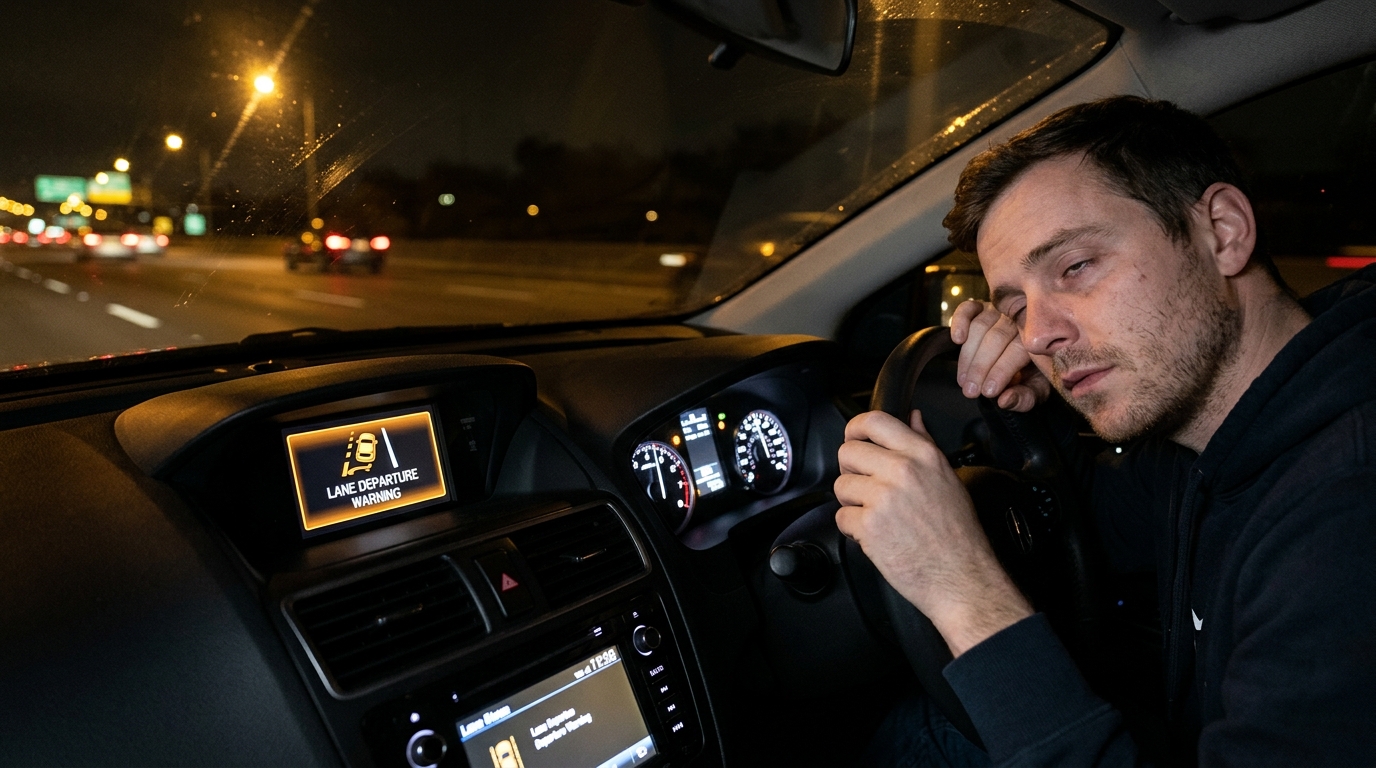
A tired brain does not process road conditions as quickly as a rested brain. Drivers need constant awareness to stay safe. They must judge speed, distance, traffic signals, road markings, pedestrians, motorcycles, bicycles, and changing weather. Fatigue weakens that system one small mistake at a time.
Micro-sleeps create one of the biggest dangers. A micro-sleep may last only a few seconds, but a vehicle can travel the length of a football field during that time at highway speed. The driver may not remember nodding off. They may only realize something happened after the vehicle drifts, hits rumble strips, crosses a lane, or crashes.
Late-night, early-morning, and afternoon driving bring higher risk
Drowsy driving does not happen only at night, but certain times create more danger. Late-night driving challenges the body’s natural sleep rhythm. Early-morning trips can hit drivers after a long shift or poor sleep. Mid-afternoon fatigue can also catch drivers during a natural energy dip.
These patterns matter for crash prevention. A driver leaving work at 5 a.m., a student driving home after studying all night, or a road-trip family pushing through after lunch may face different versions of the same problem. The body wants rest, but the vehicle keeps moving.
Warning signs should trigger immediate action
Drivers should treat fatigue warning signs seriously. Heavy eyelids, repeated yawning, wandering thoughts, missed exits, lane drifting, tailgating, slow reactions, and trouble remembering the last few miles all signal danger. At that point, the driver should not keep negotiating with themselves.
The safest response is simple: stop driving. Pull over somewhere safe, switch drivers, take a short nap, or end the trip until rested. Coffee may help for a short period, but it does not replace sleep. If a driver already feels extremely sleepy, caffeine alone may not keep them safe.
Who faces the highest drowsy driving risk?
Anyone can cause a fatigue-related crash, but some groups face higher risk. Shift workers may drive during hours when their bodies expect sleep. Commercial drivers may spend long hours on the road. Rideshare and delivery drivers may extend shifts to earn more. Parents may drive after interrupted sleep. Students may travel after late-night studying or social events.
Road-trip drivers also create risk when they try to cover too many miles in one day. Long highways can feel calm and repetitive, which makes fatigue harder to fight. A driver may feel alert in a city but sleepy on an empty road with steady speed and little stimulation.
Work schedules can push drivers beyond safe limits
Fatigue is not only a personal choice issue. Employers, schedules, staffing shortages, delivery deadlines, and overnight work can all influence driver alertness. A worker who finishes a long overnight shift may face a dangerous commute even if they never touched alcohol or drugs.
Companies that rely on driving should take fatigue seriously. They can review schedules, encourage rest breaks, avoid unrealistic delivery demands, train workers to recognize fatigue, and create policies that do not punish drivers for stopping when they feel unsafe. Prevention works better than blaming drivers after a crash.
How Communities and Drivers Can Reduce Fatigue-Related Crashes
Preventing drowsy driving accidents requires both personal responsibility and better systems. Drivers need enough sleep before driving. Communities need safer roads. Employers need realistic schedules. Vehicle technology needs clear warnings. Public safety campaigns need to treat fatigue with the same seriousness as drunk or distracted driving.
The National Highway Traffic Safety Administration offers official guidance on the risk of driving while tired. Readers can review the resource here: NHTSA drowsy driving safety information.
Practical prevention steps that actually help
The strongest prevention step is sleep. Drivers should plan long trips around rest, not only around arrival time. A safer road trip may include earlier departure, overnight stops, shared driving, and breaks every couple of hours. People who work nights should think carefully before driving home after a demanding shift.
Drivers should avoid alcohol before tired driving because alcohol increases sleepiness and weakens judgment. Certain medications can also cause drowsiness. Always read warning labels and ask a medical professional about driving risks when taking new medication.
Road design can also help. Rumble strips, better lighting, clearer lane markings, safe rest areas, and warning signs can reduce fatigue-related risk. Accident Wiki’s article on work zone accidents in 2026 connects to this issue because tired drivers may react poorly to lane shifts, narrowed roads, cones, and sudden slowdowns.
Speed also matters. A drowsy driver at a higher speed has less time to recover from a mistake. Accident Wiki’s article on speed safety cameras in 2026 supports the broader point that lower speeds can reduce crash severity when human error happens.
Vulnerable road users face extra danger when drivers lose alertness. A tired driver may miss a pedestrian at a crosswalk, a cyclist near a curb, or a scooter rider in a shared lane. Accident Wiki’s article on vulnerable road user safety in 2026 gives readers more context on why fatigue prevention matters beyond vehicle occupants.
Driver monitoring technology can help but should not create overconfidence
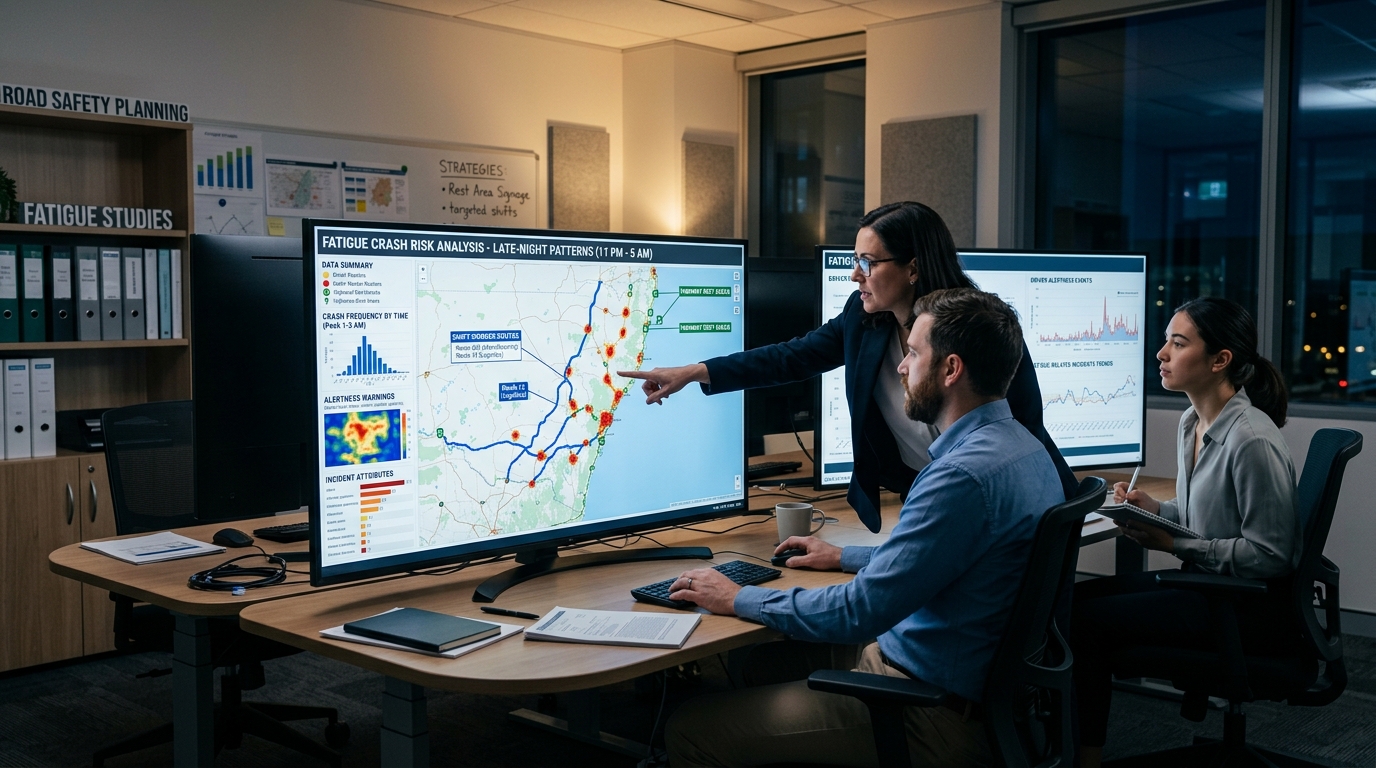
Newer vehicles may include lane departure warnings, attention alerts, driver monitoring cameras, steering behavior alerts, and advanced driver-assistance features. These systems can warn drivers when they drift, fail to respond, or show signs of inattention. Fleet cameras may also help employers identify fatigue patterns before a serious crash occurs.
Technology has limits. Cameras may miss signs of fatigue. Alerts may arrive too late. Drivers may ignore warnings. Bad weather, poor lane markings, glare, and system limitations can reduce performance. A vehicle warning should support safe driving, not replace the driver’s responsibility to rest.
Communities can also use traffic data to find fatigue-related patterns. Repeated late-night lane departures, single-vehicle crashes, highway run-off-road crashes, and early-morning collisions may show where better lighting, rumble strips, rest areas, signage, or enforcement could help. Accident Wiki’s article on AI near-miss detection in 2026 can support this broader shift toward finding risk before crashes happen.
Drowsy driving accidents deserve more attention because they can look ordinary after the fact. A vehicle leaves its lane. A driver rear-ends stopped traffic. A car crosses the center line. A pedestrian gets hit at night. Without careful investigation, people may miss the fatigue pattern behind the crash.
Real prevention starts before the engine turns on. Sleep enough. Plan breaks. Share long drives. Stop when warning signs appear. Build work schedules that respect human limits. Use technology as backup, not permission to keep driving tired.
Fatigue does not need to leave a driver visibly impaired to create danger. It only needs to slow one reaction, hide one hazard, or close one pair of eyes for a few seconds. In 2026, road safety efforts should treat drowsy driving as a serious accident risk, not a personal weakness or minor inconvenience.