
Work Zone Speed Safety Cameras in 2026: Why Construction Zones Need Stronger Crash Prevention
Work zone speed safety cameras in 2026 are becoming a serious road safety topic. Construction zones are not ordinary road segments. They change quickly, reduce lane space, place workers close to traffic, and force drivers to react faster than usual. A safe road can become dangerous when cones, barriers, lane shifts, trucks, and workers enter the same space as moving vehicles.
This is why speed control matters so much in work zones. A driver who travels too fast has less time to react to stopped traffic, narrow lanes, merging vehicles, or workers near the shoulder. Even a small speed increase can turn a near miss into a severe crash.
Speed safety cameras do not replace good road design, clear signs, trained workers, or police enforcement. They add another layer of prevention. When drivers know a work zone may use automated speed monitoring, they may slow down before danger appears. That simple behavior change can protect workers, drivers, passengers, and emergency responders.
For Accident Wiki, this topic fits directly into road safety policy, accident-prone areas, and urban traffic safety. Work zones often become temporary blackspots. They may not look dangerous on a normal map, but they can create concentrated risk during construction, repairs, bridge work, utility work, or nighttime resurfacing.
Why Work Zone Speed Safety Cameras in 2026 Matter
Work zones create risk because they interrupt normal driving patterns. Drivers may see sudden lane closures, reduced shoulders, construction vehicles, temporary signs, flaggers, and changing pavement markings. In some areas, drivers must merge quickly. In others, they must follow a narrow path between barriers.
These conditions require full attention. A distracted or speeding driver can miss the first warning sign. By the time the driver sees stopped traffic or a worker near the lane, there may not be enough room to brake.
Work zone speed safety cameras in 2026 are part of a larger shift toward active prevention. Instead of waiting for a crash, agencies can use speed data, warning signs, camera enforcement, and traffic management tools to reduce risk before impact happens.
Work Zones Are Temporary, But The Danger Is Real
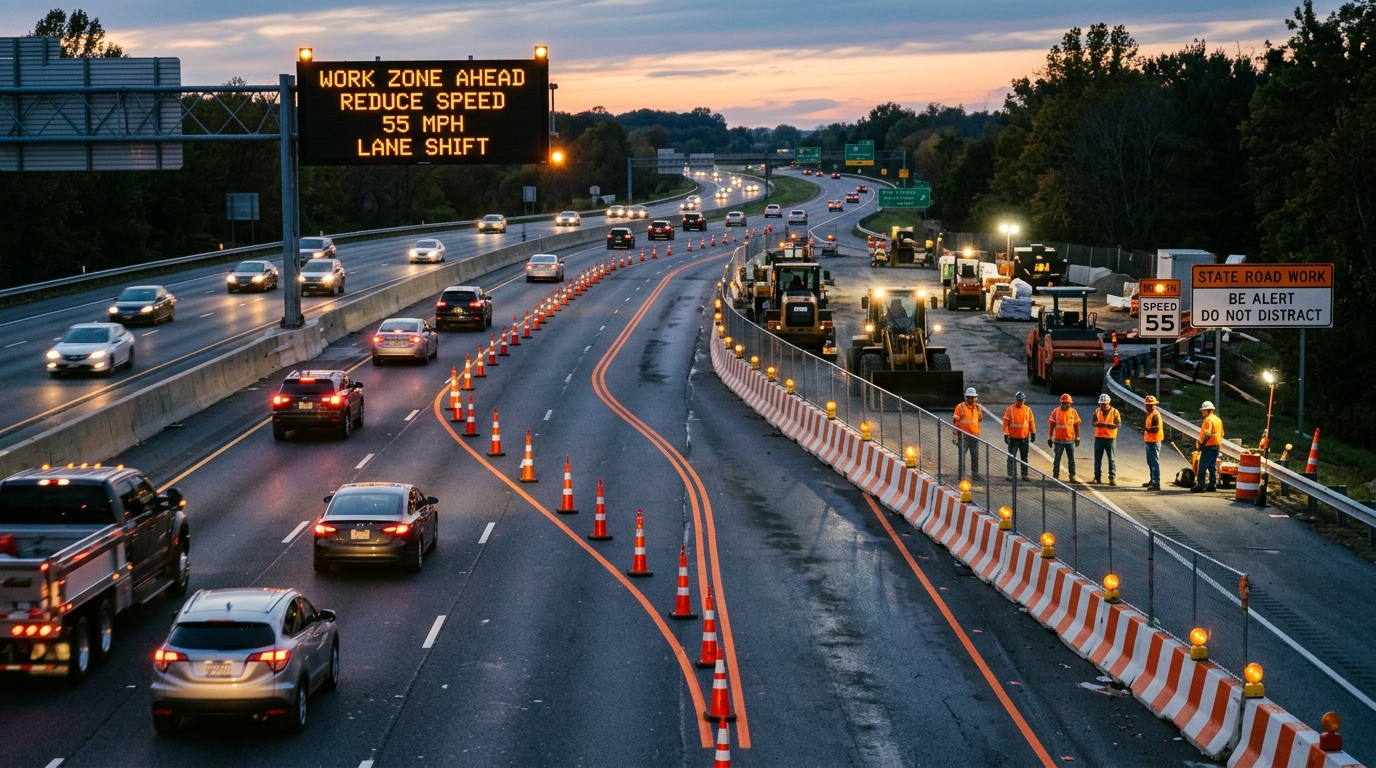
A work zone may only last a few hours, weeks, or months. That temporary nature can make drivers underestimate the risk. Regular commuters may feel annoyed by delays. Long-distance drivers may not know the road layout. Truck drivers may struggle with narrow lanes and sharp shifts.
Road workers face the greatest danger because they cannot move away from traffic easily. They may stand behind cones, barriers, or equipment while vehicles pass only a short distance away. One distracted driver can threaten an entire crew.
Drivers also face risk. A work zone crash can involve rear-end impacts, sideswipes, rollover crashes, pedestrian worker injuries, and multi-vehicle collisions. Slow traffic, sudden stops, and confusing signs can create chain reactions.
Speed Turns Small Errors Into Serious Crashes
Speed matters because it reduces reaction time. A driver moving too fast has less time to see a lane shift, stopped vehicle, flagger, or construction truck. Higher speed also increases impact force when a crash happens.
In work zones, the margin for error is already smaller. Shoulders may disappear. Lanes may narrow. Barriers may sit close to traffic. Pavement may change height or texture. Drivers need more time, not less.
That is why speed safety cameras can help. They remind drivers that the posted limit is not optional. A consistent enforcement system may also reduce the chance that drivers slow down only when they see a patrol car.
Driver Distraction Makes Work Zones Worse
Distraction is dangerous anywhere, but it becomes worse in construction zones. A driver who looks at a phone for a few seconds may miss several warning signs. They may also fail to notice traffic slowing ahead.
Work zones often require drivers to process more information than usual. Signs may warn about merging, lane closures, reduced speed, workers, trucks entering, uneven pavement, or temporary traffic patterns. A distracted driver may not absorb those warnings in time.
This connects with Accident Wiki’s broader safety discussions. For example, your article on wrong-way driving detection systems explains why passive signs alone may not stop dangerous driving. Work zones face a similar issue. Signs help, but active systems can add another layer of warning and accountability.
How Speed Safety Cameras Can Improve Work Zone Safety
Speed safety cameras work best when agencies use them as part of a clear safety plan. The goal should be crash prevention, not revenue. A strong program should use visible signs, fair rules, accurate equipment, public notice, and regular safety evaluation.
Good camera programs also need transparency. Drivers should know when they enter an enforced work zone. Workers should know how the system supports their safety. Agencies should track whether speeds drop, crashes fall, and driver behavior improves.
The Federal Highway Administration provides work zone safety resources, including information on work zone data, temporary traffic control, and speed safety camera planning. Readers can review the FHWA Work Zone Management Program for more background on national work zone safety efforts.
Clear Signs Must Come Before Enforcement
Drivers should not be surprised by enforcement. A fair work zone camera program should warn drivers before they reach the camera area. Signs should be readable, well placed, and repeated when needed.
Clear communication helps the program gain public trust. If drivers believe the camera exists only to issue tickets, they may resist it. If they understand that the camera protects workers and reduces crashes, the safety message becomes stronger.
Agencies should also use digital speed feedback signs when possible. These signs show drivers their current speed. They create an immediate reminder before enforcement happens. Many drivers slow down when they see their speed displayed in real time.
Camera Data Can Help Identify Risky Work Zones
Speed cameras do more than issue violations. They can also produce useful safety data. Agencies can study when speeding happens, where it happens, and whether certain layouts create more risk.
This matters because not every work zone has the same danger level. A short shoulder closure on a low-speed street may need a different plan than a nighttime freeway lane shift. A bridge repair zone may need stronger controls because workers have limited escape space.
Data can help agencies improve future projects. If one work zone shows repeated speeding, sudden braking, or near misses, planners can adjust signs, barriers, lane widths, merge areas, lighting, or enforcement schedules.
How Work Zone Camera Programs Should Be Planned
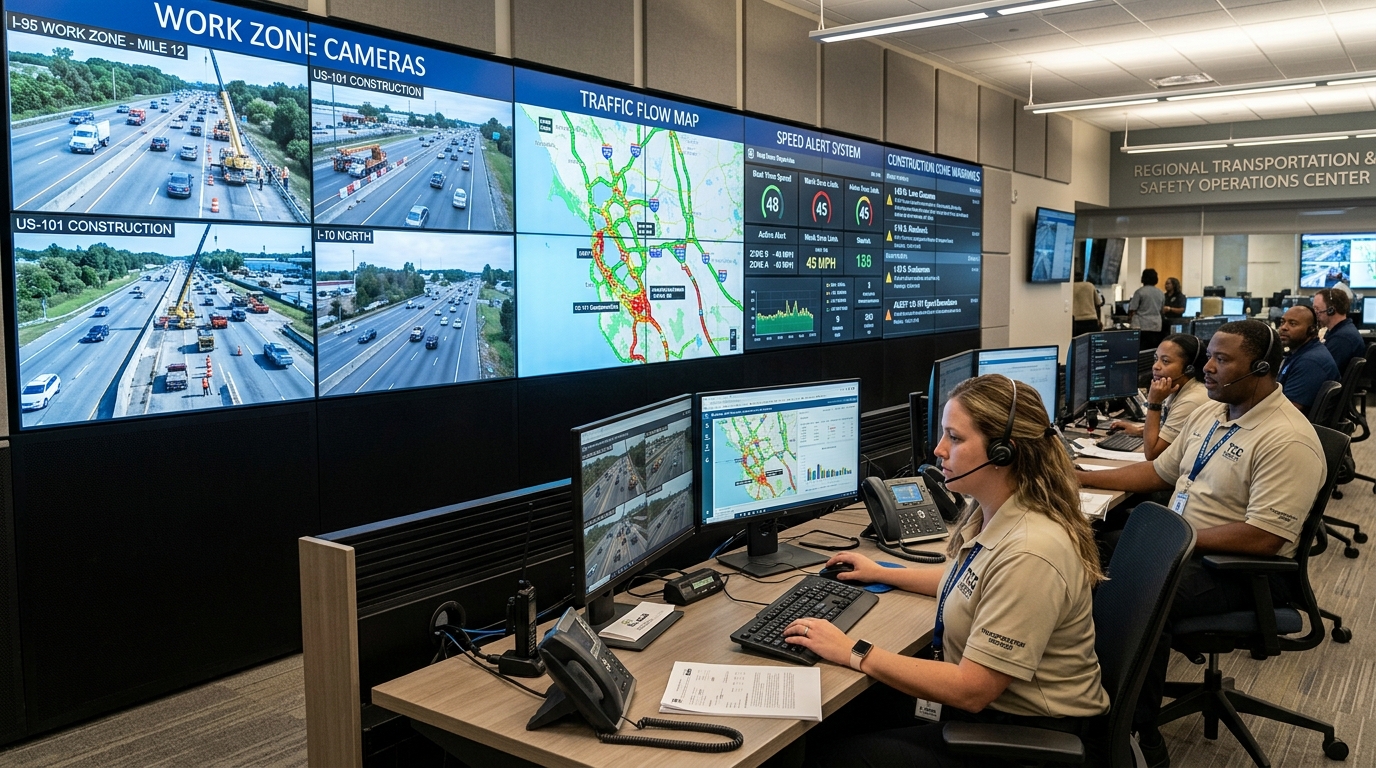
Work zone speed safety cameras in 2026 should follow a simple principle: prevention first. The safest programs combine engineering, education, enforcement, and evaluation. Cameras alone cannot fix a poorly designed work zone.
Planning should begin before construction starts. Agencies should review traffic volume, speed history, crash data, worker exposure, lane closure plans, detour routes, and nearby intersections. They should also consider pedestrians, cyclists, buses, emergency vehicles, and large trucks.
This is where blackspot thinking becomes useful. Accident Wiki’s article on traffic deaths, blackspots, and vulnerable road users explains why concentrated danger points need targeted action. A work zone can become a short-term blackspot if the layout creates repeated conflict.
What A Safer Work Zone Should Include
A safer work zone starts with simple design. Drivers need early warning, enough time to merge, visible lane markings, clear signs, proper lighting, and safe separation from workers. Barriers should protect crews where possible. Flaggers should have strong visibility and safe escape routes.
Technology can support these basics. Speed cameras, queue warning systems, smart cones, connected work zone data, and traffic sensors can help agencies respond to changing conditions. These tools matter most when traffic patterns shift often.
Large vehicles also need attention. Trucks and buses may need more space to merge or follow lane shifts. If the work zone sits near an urban area, vehicle blind zones can create extra risk for workers, cyclists, and pedestrians. Your post on vehicle blind zones and pedestrian safety connects well with this issue.
Public messaging also matters. Drivers should hear the same message before and during construction: slow down, stay alert, follow the signs, and expect changes. A work zone is not the place to multitask, rush, or treat the posted speed limit as a suggestion.
Work zone speed safety cameras in 2026 are not a magic solution. They will not stop every reckless driver. They will not replace careful planning or safer road design. But they can reduce speeding, support worker protection, and create better data for future projects.
The best approach is layered. Use clear signs. Improve lane layouts. Separate workers from traffic. Add lighting. Warn drivers early. Use speed feedback. Apply camera enforcement fairly. Then study the results and fix weak points.
The blunt road safety lesson is this: a work zone should never depend on driver luck. When workers stand near moving traffic, every safety layer matters. Speed safety cameras can be one of those layers when agencies use them clearly, fairly, and with the goal of preventing crashes before they happen.