
E-Bike Mechanical Failures in 2026: Why Loose Wheels, Seat Posts, and Small Parts Can Cause Serious Crashes
E-bikes are becoming a normal part of transportation in many cities, suburbs, college communities, and recreational areas. They make longer bicycle trips easier, help riders climb hills, and give commuters another alternative to driving. But as electric bicycles become more common, e-bike mechanical failures in 2026 are receiving more attention from safety regulators.
The issue is not limited to batteries or electrical fires. Wheels, bolts, forks, seat posts, brakes, chains, and other ordinary bicycle components can also create serious crash risks when they loosen, break, separate, or fail unexpectedly. Because many e-bikes are heavier and capable of higher sustained speeds than traditional bicycles, a mechanical problem that might seem minor in a garage can become dangerous once the bicycle is moving in traffic.
Recent federal safety actions show why riders should take mechanical condition seriously. The U.S. Consumer Product Safety Commission announced an October 2026 recall involving cargo e-bikes after a seat-post clamping bolt was found capable of breaking and creating a fall hazard. Other 2026 safety warnings have involved wheel fasteners, chainring hardware, reflectors, and structural components.
Why E-Bike Mechanical Failures Matter More at Riding Speed
A bicycle depends on many relatively small parts working together. A wheel may be held in position by an axle, quick-release mechanism, or through-axle. A handlebar depends on a properly secured stem. A rider’s weight is supported through the saddle, seat post, frame, wheels, and tires. Braking depends on cables or hydraulic systems, rotors or rims, pads, levers, and secure fasteners.
When one of those systems fails suddenly, the rider may have almost no time to react. A loose wheel can change alignment or separate. A failed seat-post component can cause a rider to lose balance. A drivetrain failure can interrupt pedaling while crossing an intersection. Brake problems can increase stopping distance when a vehicle, pedestrian, or obstacle enters the rider’s path.
The risk becomes even more serious when the rider is surrounded by cars and trucks. Accident.wiki’s discussion of larger vehicles and urban accident risk explains why cyclists already face visibility and space problems around taller, wider vehicles. A mechanical failure can suddenly push an e-bike rider out of a predictable line and into traffic where nearby drivers may have little time to respond.
Recent Recalls Show That Small Components Can Create Big Risks
Mechanical e-bike problems are not theoretical. In June 2026, the CPSC issued a safety warning involving e-bikes whose front wheels could detach. The agency reported dozens of wheel-detachment incidents and numerous injuries.
Earlier in the year, another CPSC recall involving rear-wheel bolts warned that the bolts could break and allow the wheel to separate from certain e-bikes. A separate electric bicycle recall involving chainring bolts identified the possibility that loose hardware could allow the chainring to separate.
These cases illustrate an important safety lesson: riders should not assume that a problem must involve a battery, motor, or electronic controller to be serious. Ordinary mechanical parts remain critical even on highly sophisticated electric bicycles.
Wheel and Axle Problems
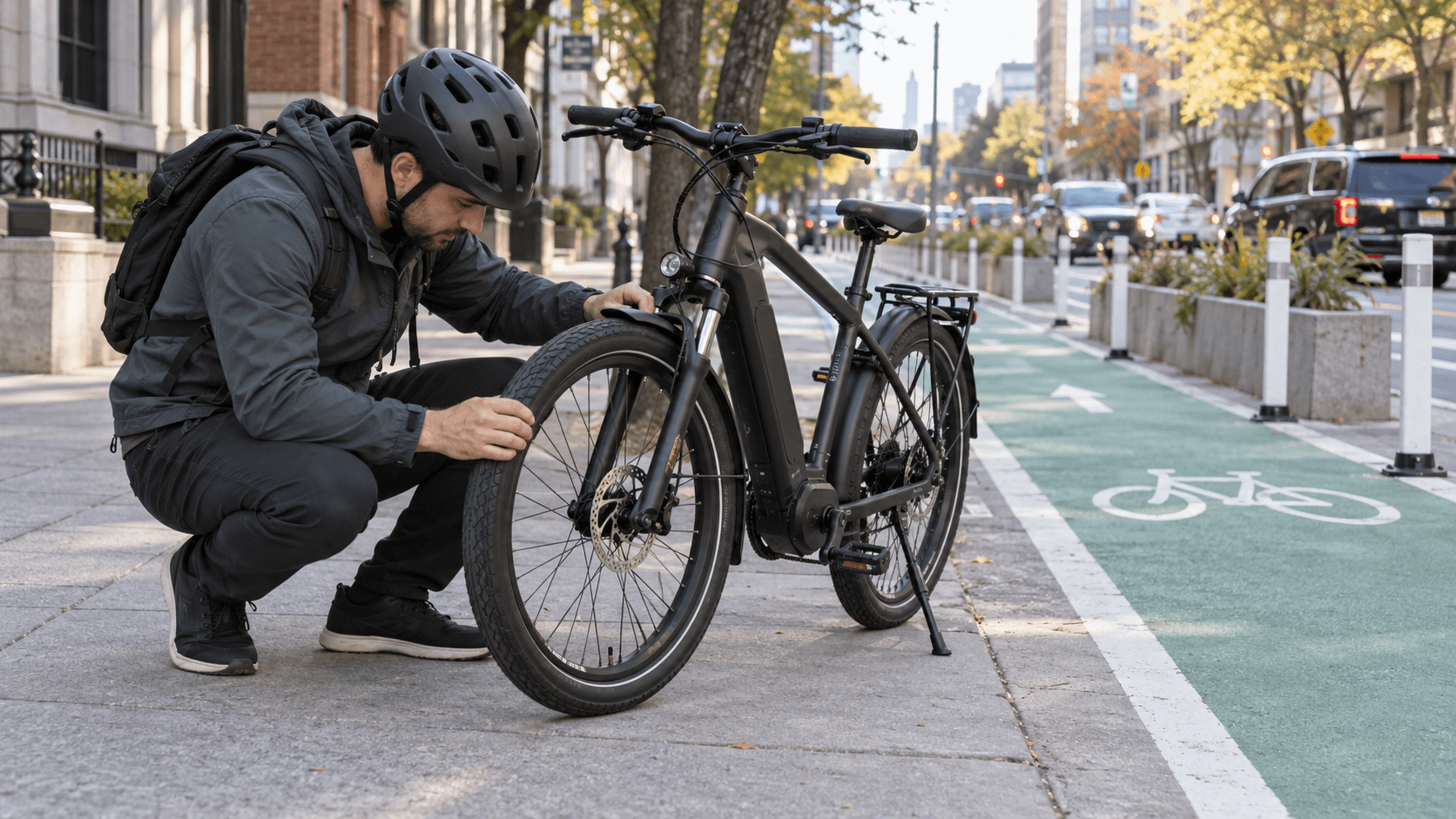
Wheel security should be one of the first things riders check. A wheel that is not seated correctly can wobble, rub against the frame, interfere with braking, or potentially separate. Warning signs can include unusual side-to-side movement, clicking, rubbing sounds, looseness at the hub, or a change in how the bicycle handles.
Riders should follow the manufacturer’s instructions for checking axle or fastener security. If anything feels loose, unfamiliar, or damaged, the safest approach is to stop riding until the bicycle has been properly inspected.
Seat Posts, Stems, and Steering Components
A loose saddle may sound like an inconvenience, but sudden movement can shift a rider’s weight and reduce control. The same is true for handlebars and steering components. If a stem, handlebar clamp, fork, or related part moves unexpectedly, the rider may struggle to keep the bicycle upright.
This is especially important for cargo e-bikes and heavier commuter models. Extra weight from bags, groceries, equipment, or passengers can change handling and place additional demands on components.
Brakes and Drivetrain Components
Brake wear can develop gradually, making it easy for riders to become accustomed to longer stopping distances. Pads can wear down, rotors can become contaminated or bent, hydraulic systems can lose performance, and cables may need adjustment.
The drivetrain deserves attention too. Chains, chainrings, cassettes, cranks, and pedals carry repeated loads. Unusual grinding, skipping, clunking, or sudden resistance should be investigated rather than ignored.
What the 2026 Micromobility Data Tells Riders
The CPSC continues to track injuries associated with e-bikes, e-scooters, and other micromobility products. Its 2026 micromobility safety report examines deaths, injuries, and hazard patterns associated with these products.
That broader safety picture matters because mechanical condition is only one part of crash prevention. Road surface, visibility, speed, rider behavior, vehicle traffic, weather, and infrastructure can all affect whether a mechanical problem becomes a crash.
This is also why near-miss detection and predictive road safety can be useful. A location where cyclists repeatedly brake hard, swerve, or encounter turning vehicles may already have limited room for error. If a bicycle also has a mechanical problem, the rider may have even fewer options for avoiding a collision.
A Simple Pre-Ride E-Bike Safety Check
Riders do not need to become professional mechanics to notice obvious warning signs. A short inspection before riding can identify problems before they become emergencies.
- Check both wheels. Confirm they appear straight, secure, and properly seated.
- Test the brakes. Squeeze each brake before entering traffic and make sure the bicycle stops normally.
- Inspect the tires. Look for low pressure, cuts, bulges, exposed material, or embedded debris.
- Move the handlebars gently. They should not twist independently from the front wheel.
- Check the saddle and seat post. Unexpected movement or looseness should be corrected before riding.
- Listen while moving slowly. Clicking, grinding, rubbing, or repeated clunking can signal a developing issue.
- Review open recalls. Search the manufacturer’s information and the CPSC recall database when buying or maintaining an e-bike.
Riders should also follow general bicycle safety practices recommended by the National Highway Traffic Safety Administration, including predictable riding, visibility, helmet use, and awareness of surrounding traffic.
Why Maintenance Matters in Urban Traffic
An e-bike failure in a quiet driveway is very different from the same failure in an intersection. City riders may travel beside parked cars, buses, delivery trucks, pedestrians, scooters, and turning vehicles. Bike lanes can disappear near intersections or construction zones. Potholes, drainage grates, debris, and damaged pavement can add sudden loads to wheels and steering components.
Urban riders therefore need both a mechanically sound bicycle and enough space to react. Accident.wiki’s coverage of work zone accidents shows how temporary road changes can increase complexity for every road user. For an e-bike rider, narrowed lanes and rough temporary pavement can make a mechanical weakness more difficult to manage safely.
What to Do if an E-Bike Begins Handling Differently
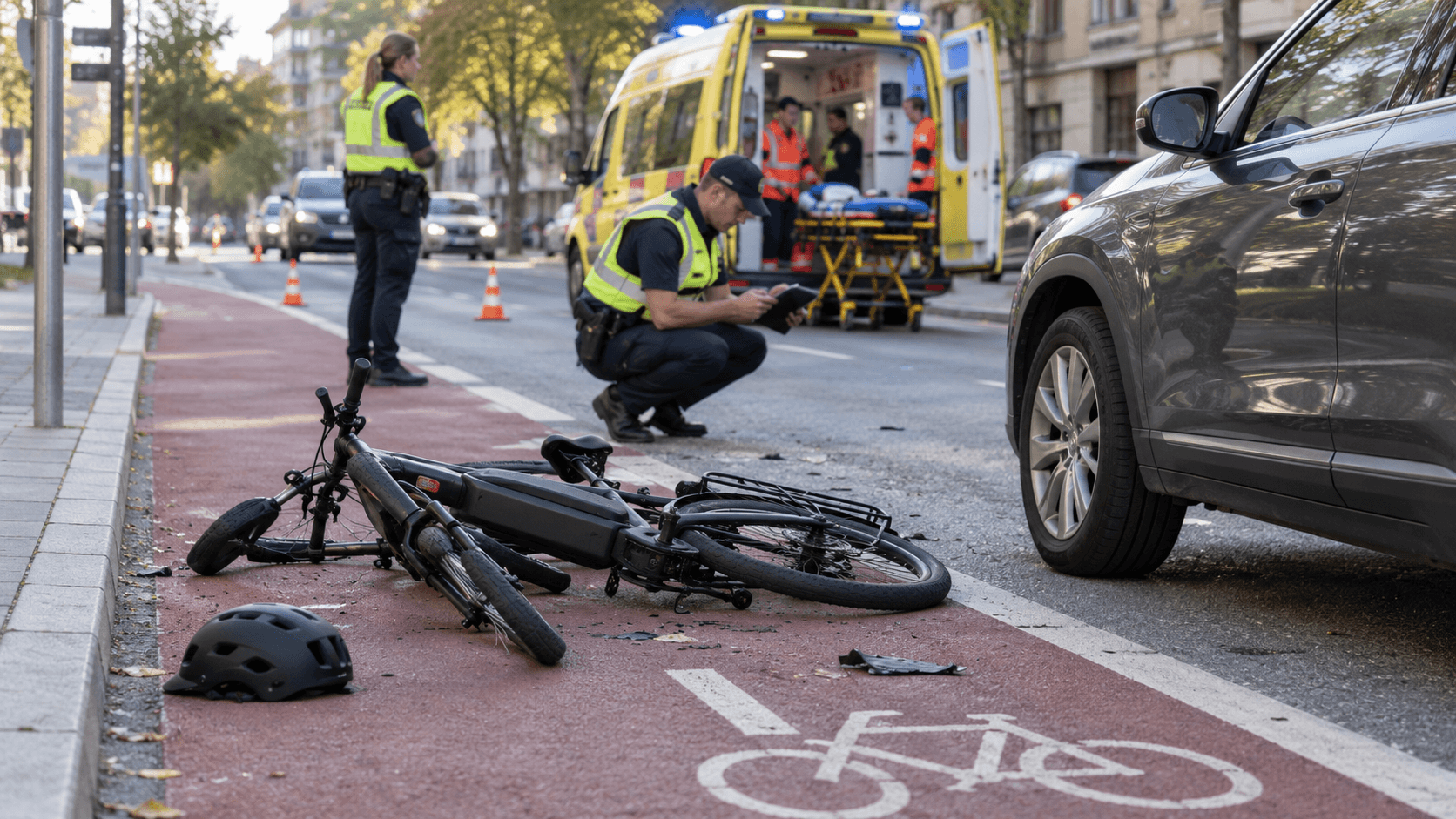
If the bicycle suddenly feels unstable, begins making a new noise, pulls to one side, loses braking performance, or develops unusual vibration, the rider should avoid continuing at normal speed simply to see whether the problem disappears.
Move to a safe location away from traffic when possible. Inspect the obvious components without putting hands near moving parts. If the cause is uncertain, transporting the bike to a qualified repair shop may be safer than riding it there.
After a crash or hard impact, the bicycle may also need inspection even when damage is not immediately visible. Wheels, forks, handlebars, brakes, frames, battery mounts, and fasteners can all be affected by impact forces.
Manufacturers, Regulators, and Riders All Have a Role
Mechanical e-bike safety should not depend only on riders noticing problems. Manufacturers need strong quality control, understandable maintenance instructions, reliable replacement parts, and fast communication when defects appear. Retailers and repair shops should be able to identify affected models and complete recall repairs efficiently.
Regulators also play an important role by collecting incident reports, investigating defect patterns, and publishing recalls or warnings when necessary. One example is the CPSC’s 2026 warning involving electric bicycles that did not meet certain required safety provisions.
Riders complete the safety chain by checking equipment, responding to recalls, avoiding improvised repairs that conflict with manufacturer guidance, and taking changes in handling seriously.
Final Thoughts on E-Bike Mechanical Failures in 2026
E-bike mechanical failures in 2026 deserve attention because small parts can have large consequences once a bicycle is moving in traffic. Wheels, bolts, brakes, seat posts, steering components, and drivetrain hardware may not attract as much attention as batteries or motors, but they are essential to safe control.
The practical lesson is simple: inspect the bike, pay attention to changes, check recalls, and stop riding when something does not feel right. As e-bikes become a larger part of everyday transportation, preventing crashes will depend not only on safer streets and responsible riding, but also on making sure the bicycle itself is mechanically ready for the road.