
Headlight Glare in 2026: Why NHTSA Is Rewriting U.S. Vehicle Lighting Standards
Headlight glare in 2026 has moved back into the national road-safety conversation. On October 6, the National Highway Traffic Safety Administration announced a major effort to modernize federal vehicle lighting standards.
The review will examine how modern headlights affect drivers, pedestrians, cyclists, and other road users. It will also look at LEDs, automatic high beams, headlamp height, beam aim, replaceable light sources, and current testing methods.
This does not mean a new headlight rule has already taken effect.
NHTSA has started a negotiated rulemaking process. Regulators, manufacturers, safety organizations, researchers, and engineering experts will help examine possible changes to Federal Motor Vehicle Safety Standard No. 108.
The distinction matters. Drivers should not expect every vehicle’s headlights to change immediately. Instead, the process may shape how future lighting systems are designed, tested, and regulated.
For road safety, the issue is bigger than whether headlights look too bright. Good lighting must help one driver see without making it harder for another road user to see.
Why Headlight Glare in 2026 Has Become a Road Safety Issue
Vehicle lighting has changed dramatically.
Older headlights often relied on halogen bulbs and relatively simple reflectors. Modern vehicles may use LEDs, automatic controls, complex optical systems, and sensors that adjust lighting behavior.
Those technologies can improve visibility. They can also create new engineering questions.
A headlight that helps one driver see farther may create discomfort or reduced visibility for someone approaching from the opposite direction. Vehicle height, road slope, headlamp aim, weather, windshield condition, and traffic position can all change how glare feels.
NHTSA says the new review will specifically examine modern lighting technology and possible causes of glare.
Why NHTSA Is Reopening a Longstanding Federal Standard
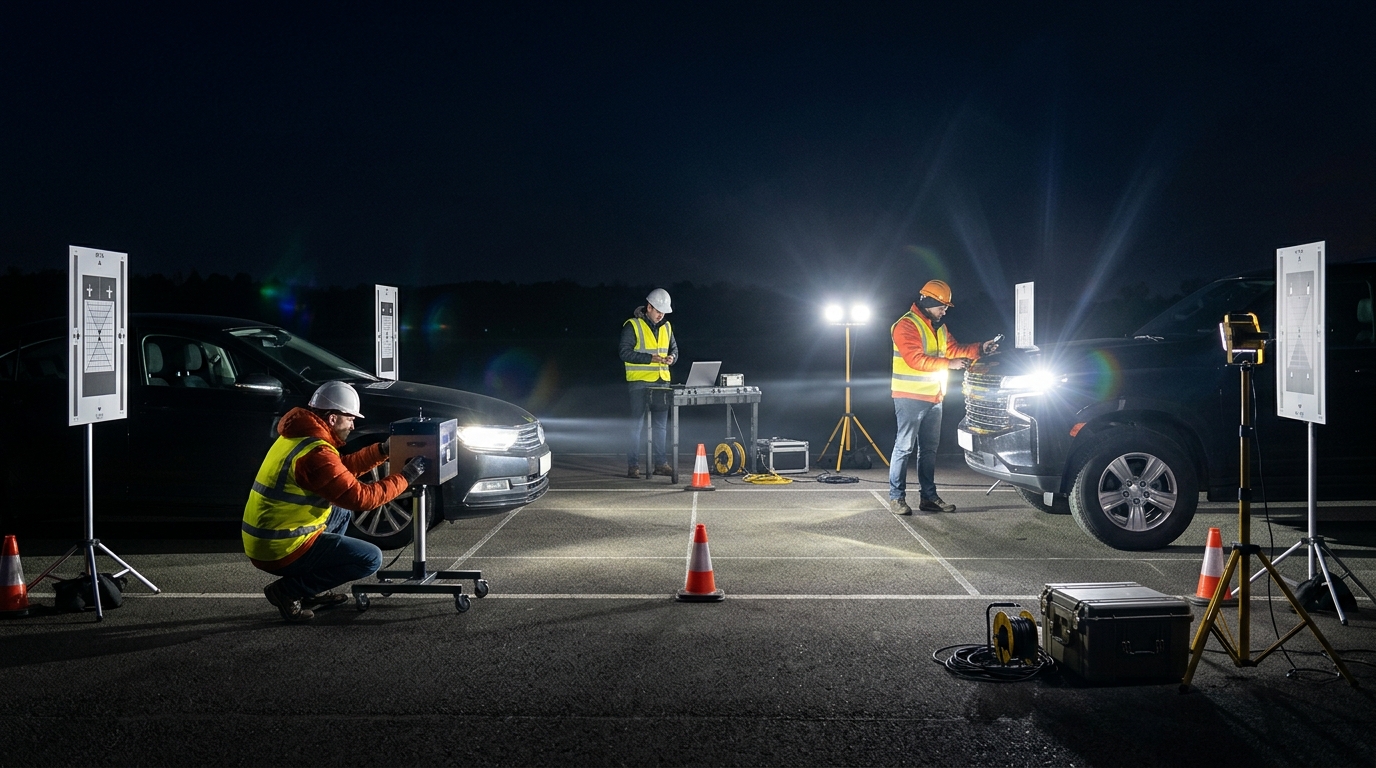
Federal Motor Vehicle Safety Standard No. 108 governs lamps, reflective devices, and related vehicle lighting equipment.
NHTSA now says the standard needs modernization so it can better address current technology and safety concerns.
The agency plans to study several areas at the same time.
First, it will examine headlight glare and the role modern lighting technology may play.
Second, it will look at LEDs, dusk sensors, automatic high beams, and replaceable light sources.
Third, regulators want to evaluate headlamp performance, including how height and aim affect what drivers can see.
NHTSA will also consider testing methods, plastic optical materials, replaceable lenses, and possible alignment with international lighting standards.
Glare Is More Complicated Than Simply Making Headlights Dimmer
A brighter headlight is not automatically unsafe. A dimmer headlight is not automatically better.
Drivers need enough light to identify curves, pedestrians, animals, debris, lane markings, and stopped vehicles before reaching them.
The challenge is controlling where that light goes.
A well-designed beam should place useful light on the roadway while limiting unnecessary light toward the eyes of other drivers.
Several conditions can disturb that balance.
An incorrectly aimed lamp may point too high. A vehicle carrying a heavy load may change its angle. Hills can briefly place oncoming vehicles directly in a beam. Taller vehicles can position headlights closer to the eye level of drivers in lower cars.
Dirty or scratched windshields may also scatter incoming light. Rain can reflect light from pavement and lane markings, making the visual environment more difficult.
That is why a useful headlight standard must consider more than raw brightness.
Headlamp Height and Aim Can Change What Other Drivers Experience
NHTSA specifically says its review will evaluate how headlamp height and aim affect driver visibility.
This matters as the U.S. vehicle fleet includes many SUVs, pickups, crossovers, and other vehicles with higher front ends.
A light mounted higher can interact differently with a smaller car than one mounted closer to the road.
Aiming also matters.
If a headlamp points above its intended pattern, more light can enter the eyes of approaching drivers. Even a properly designed lighting system can perform poorly when damaged, modified, or incorrectly adjusted.
This issue becomes especially important on roads with hills and curves.
Our guide to rural roadway departure crashes in 2026 explains why nighttime curves already create serious challenges. Poor lighting, glare, faded markings, fatigue, and limited shoulders can combine quickly.
A driver who loses clear visual guidance for only a few seconds may enter a curve too fast or move too close to the centerline.
Vehicle lighting should help reduce that problem, not add another source of visual stress.
How Glare Can Interact With Other Nighttime Crash Risks
Headlight glare rarely acts alone.
A tired driver may already have slower reaction time. Rain may reduce contrast. A construction zone may introduce unfamiliar lane shifts. A pedestrian may be wearing dark clothing. An older driver’s eyes may take longer to recover after exposure to intense light.
Each factor can reduce the margin for error.
This is why accident prevention should avoid treating glare as a simple comfort complaint.
Temporary visual difficulty can matter when a vehicle is moving at highway speed.
At 60 miles per hour, a vehicle travels about 88 feet every second. Even a short period of reduced visual clarity can cover a meaningful distance.
Drivers still remain responsible for adjusting speed and maintaining control. Better lighting standards can support that responsibility by making the visual environment more predictable.
Night Driving, Fatigue and Work Zones Can Magnify the Problem
Fatigue can make nighttime visibility problems worse.
A tired driver may focus less effectively, react more slowly, or drift within the lane. Bright oncoming light can add another demand at the wrong moment.
Our drowsy driving accidents guide explains why fatigue reduces attention, judgment, reaction time, and lane control.
Construction areas create another difficult setting.
Night work zones may contain temporary lane lines, portable lights, reflective barriers, workers, construction vehicles, and sudden traffic queues. Headlight glare can mix with all of those visual elements.
Our work zone accidents in 2026 guide explains why nighttime construction needs strong visibility planning.
Good headlight regulation should work alongside better road markings, reflective signs, work-zone lighting, speed management, and driver attention.
No single technology can solve nighttime crash risk by itself.
What NHTSA’s Lighting Review Could Mean for Future Vehicles
NHTSA is using negotiated rulemaking for the lighting update.
The agency says this is the first time in more than 25 years that it has used that process to update vehicle lighting standards.
Up to 18 stakeholders may participate. They can include manufacturers, equipment associations, safety organizations, researchers, and engineering groups.
The goal is to bring technical experience into the process before regulators propose final changes.
Drivers should understand that this is an early stage.
The October announcement identifies subjects for study. It does not establish a final maximum brightness level, require specific headlights, or order owners to replace existing equipment.
Modern Lighting Rules May Focus More on Performance Than Old Hardware
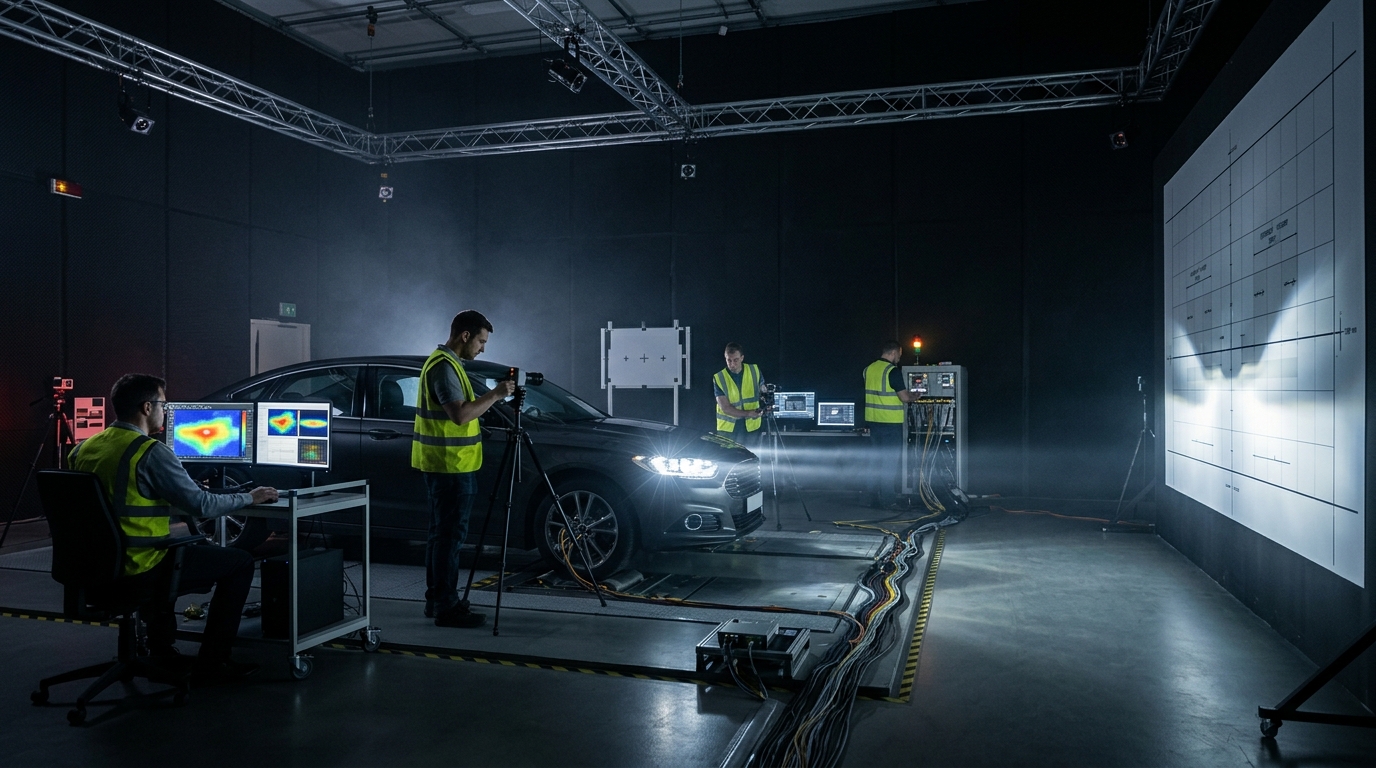
Vehicle technology evolves faster than regulations in many areas.
A standard written around older lamps may not always describe the best way to evaluate a modern LED system.
That can create two problems.
Rules may fail to address a new source of glare. They may also make it difficult for manufacturers to use technology that could improve roadway visibility.
NHTSA says modernization will examine both safety and innovation.
The agency also wants to streamline some testing procedures and consider international standards.
That could eventually lead to rules that focus more closely on real lighting performance.
New Technology Still Needs Testing Under Real Driving Conditions
A sophisticated headlight should still be judged by what happens on an actual road.
Laboratory performance matters, but drivers experience slopes, intersections, rain, fog, curves, damaged pavement, loading changes, and vehicles of different heights.
Testing should help answer practical questions.
Can the driver see a pedestrian soon enough?
Does an oncoming motorist lose contrast because of glare?
Does the system respond correctly when another vehicle appears?
How does headlamp aim change when the vehicle carries passengers or cargo?
Modern lighting systems may eventually provide more precise control than older designs. Yet complexity can also create more ways for a component, sensor, setting, or repair to perform incorrectly.
Accident Wiki’s automated vehicle crash reporting guide makes a similar point about advanced vehicle systems. Technology should be evaluated with useful real-world data rather than marketing claims alone.
Lighting deserves the same approach.
Drivers Can Reduce Glare Risk Before Any New Rule Arrives
Federal rulemaking will take time. Drivers do not need to wait for a final regulation to improve nighttime safety.
Start with the vehicle itself.
Replace damaged lamps and have headlight aim checked if beams appear unusually high or uneven. Avoid installing lighting equipment that creates excessive glare or does not meet applicable requirements.
Keep windshields clean inside and outside. Film, dirt, scratches, and moisture can make glare more distracting at night.
Slow down when visibility falls.
This is especially important on unfamiliar rural roads, in rain, around construction, and when approaching curves.
Drivers should also avoid staring directly at bright oncoming lamps. Keep attention on the travel path and use roadway markings for guidance while maintaining awareness of surrounding traffic.
Fatigue deserves separate attention. If a driver is struggling to stay alert, brighter headlights or coffee cannot replace adequate sleep.
People who believe a vehicle lighting system presents a safety defect can also use NHTSA’s vehicle-safety reporting process.
The headlight glare in 2026 debate is important because nighttime driving depends on a difficult balance.
Drivers need enough light to detect danger early. Other road users need protection from light that interferes with their own ability to see.
NHTSA’s October 2026 announcement does not solve that problem immediately. It begins a process that could change how U.S. vehicle lighting is designed and tested.
The agency plans to study glare, LEDs, automatic high beams, headlamp height, aim, testing methods, materials, and global standards.
Public comments and nominations for the negotiated rulemaking process are due November 9, 2026.
Until new rules are finalized, the basic safety principles remain the same. Maintain vehicle lighting. Keep windshields clear. Reduce speed when visibility drops. Stay rested. Watch carefully for pedestrians, cyclists, workers, animals, and other vehicles.
For the latest rulemaking information, review the official NHTSA announcement on modernizing vehicle lighting standards.
Safety note: This article provides general road-safety information. Vehicle lighting requirements, equipment specifications, and future federal standards may change as the rulemaking process continues.