
Video-Based Distracted Driving in 2026: Why Phones, Touchscreens, and Short-Form Content Are Creating New Crash Risks
Video-based distracted driving is becoming one of the most concerning accident trends in 2026. For years, distracted driving campaigns focused on texting behind the wheel. That warning still matters, but the problem has grown. Drivers are now dealing with short-form videos, livestreams, video calls, scrolling feeds, in-car touchscreens, navigation alerts, voice assistants, music apps, delivery apps, and dashboard notifications.
The danger is simple: driving is a visual task. A driver who looks away for only a few seconds can miss a red light, a pedestrian entering a crosswalk, a cyclist in a blind spot, a stopped vehicle ahead, or a lane shift in a work zone. Unlike older forms of distraction, video-based distraction is designed to hold attention. The app wants another second. The road may not give one.
This issue fits Accident Wiki because it connects road safety policy, urban traffic safety, accident-prone areas, vulnerable road users, and modern crash prevention. A distraction crash is not always caused by one reckless moment. It can come from a mix of poor road design, weak enforcement, risky phone habits, confusing vehicle screens, and drivers who underestimate how quickly danger appears.
This article explains why video-based distracted driving matters in 2026, how it affects crash risk, and what drivers, cities, schools, employers, and safety planners can do to reduce preventable accidents.
Why Phone and Screen Distraction Is a 2026 Accident Trend
Distracted driving is not new, but the technology around drivers has changed. A phone is no longer just a calling or texting device. It is a camera, entertainment screen, map, payment tool, messaging center, work device, and social platform. Many drivers also have large infotainment screens inside the vehicle, creating another source of visual and mental distraction.
The National Highway Traffic Safety Administration distracted driving page warns that using a cellphone while driving creates enormous potential for deaths and injuries. That warning should be taken seriously because distraction affects the basic skills needed for safe driving: seeing, deciding, reacting, steering, braking, and yielding.
Accident Wiki already covers related prevention topics such as AI near-miss detection in 2026. That connection matters because distracted driving often produces warning signs before a serious crash happens. A driver may drift, brake late, miss a turn, cross a lane line, or almost hit a pedestrian before the final collision occurs.
Distraction Is More Than Texting
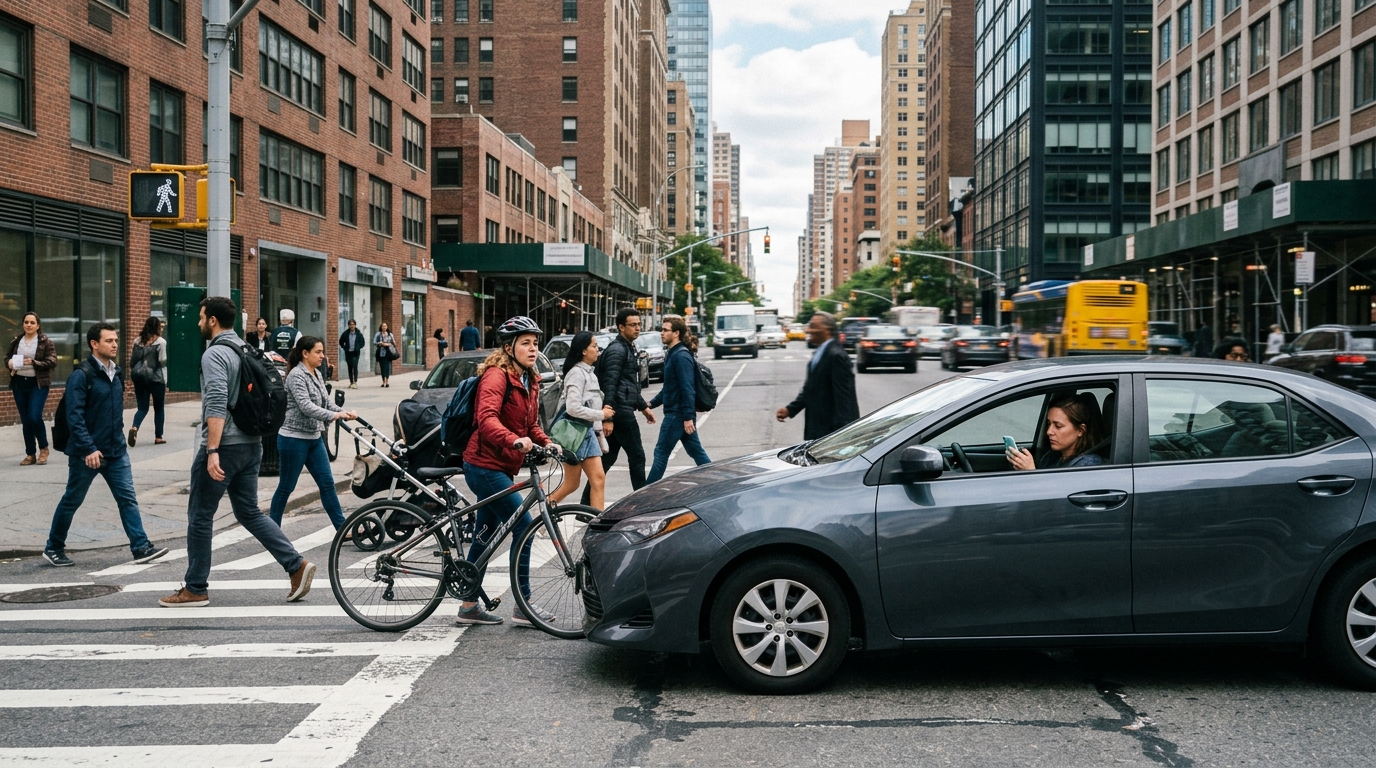
Texting remains dangerous, but video-based distraction creates a different kind of risk. Watching a short clip, checking a live video, recording content, reacting to a notification, or scrolling through a feed pulls the driver’s eyes and attention away from the road. Even when the vehicle is moving slowly, the danger remains. Many severe crashes happen during ordinary moments: turning through a crosswalk, entering an intersection, approaching traffic, or changing lanes.
Some drivers wrongly believe they can manage quick glances. The problem is that road conditions change faster than people think. A pedestrian can step forward. A cyclist can enter the lane. A child can run from between parked cars. A delivery vehicle can stop suddenly. A driver who is watching a screen may return attention too late.
Video Apps and Touchscreen Menus Compete With the Road
Short-form video apps are built to capture attention. Touchscreen menus can also require several taps to change climate settings, music, navigation, or vehicle controls. Both situations create visual demand. The driver must look, process, choose, and respond. That is time not spent scanning the road.
Vehicle design can make the problem worse when basic controls are buried in menus. A physical button can often be found by feel, while a screen requires the driver to look. That does not mean all screens are unsafe, but it does mean designers and drivers should treat screen interaction as a safety issue, not just a convenience feature.
Hands-Free Does Not Mean Risk-Free
Hands-free systems can reduce some manual distraction, but they do not remove mental distraction. A driver may still be thinking about a message, a call, a video, or a voice command instead of the traffic environment. This is especially dangerous in complex areas such as school zones, intersections, construction zones, and crowded urban corridors.
The safest choice is to set navigation before driving, silence nonessential notifications, avoid video apps completely, and pull over before handling anything that requires attention. A car should not become a moving entertainment room. It is a high-risk machine operating around other people.
The Danger Is Measured in Seconds
Distraction matters because crashes happen quickly. A few seconds of inattention can decide whether a driver stops safely or strikes the vehicle ahead. It can decide whether a driver sees a person in a crosswalk or only reacts after impact. It can decide whether a near miss becomes a fatal crash.
This is where safety technology can help, but only up to a point. Automatic emergency braking, lane departure warnings, blind-spot alerts, and driver monitoring systems may reduce some risks. However, technology cannot make distracted driving safe. Systems can fail, miss objects, react late, or perform poorly in bad weather, glare, low light, poor road markings, or unusual traffic situations.
Accident Wiki’s article on pedestrian AEB systems in 2026 connects well with this topic. Automatic braking can support accident prevention, but it should not become an excuse for drivers to look at phones or rely on the vehicle to fix unsafe behavior.
Distraction Can Turn Small Road Problems Into Major Crashes
Many roads already have risk factors: faded markings, high speeds, poor lighting, long crossings, confusing signs, narrow shoulders, or heavy turning traffic. A focused driver may still manage those conditions safely. A distracted driver may not.
This is why accident-prone areas can become even more dangerous when distraction is common. A risky intersection, school crossing, work zone, or merge area does not need a major design failure to become deadly. It may only need one driver looking at a screen at the wrong moment.
How Prevention Should Change for Drivers, Cities, and Fleets
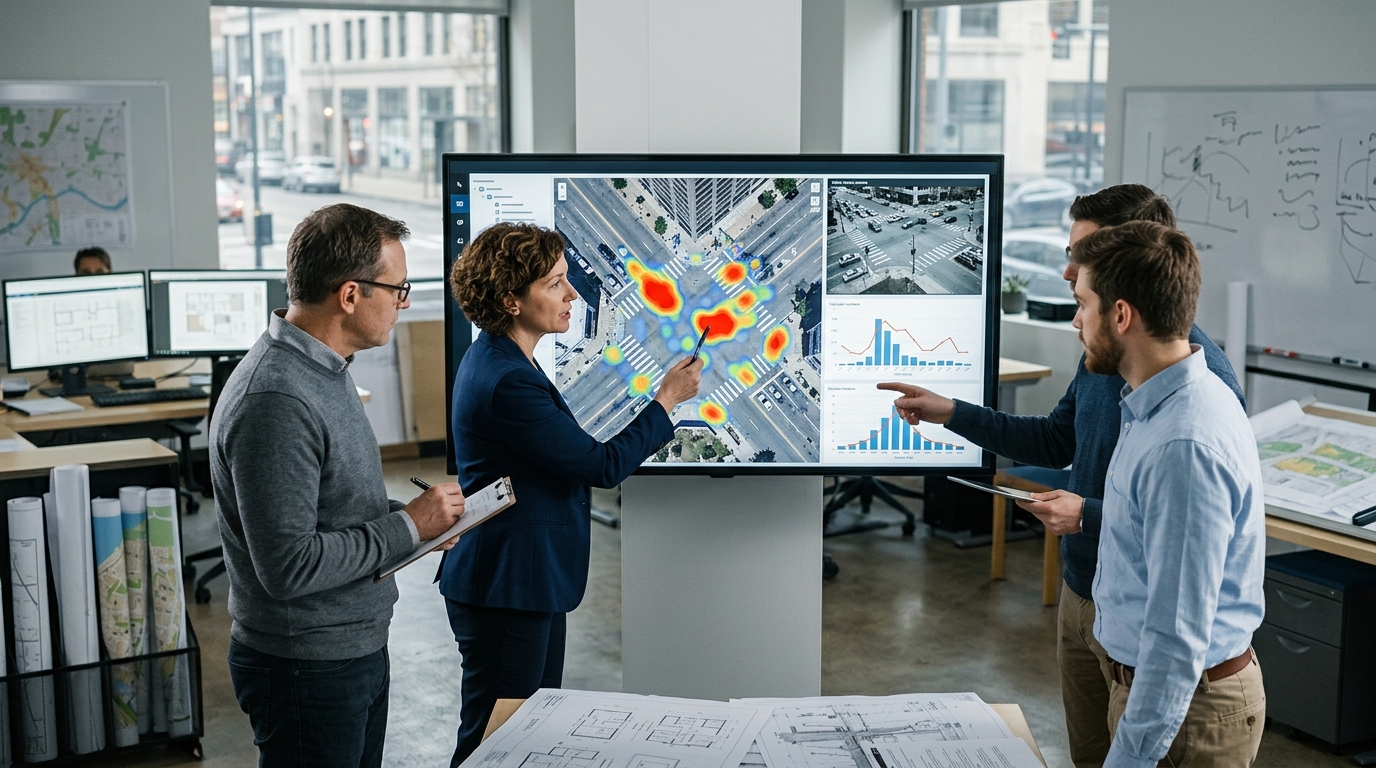
Reducing video-based distracted driving requires more than telling people to “pay attention.” That message is correct, but it is not enough. Prevention must include driver habits, vehicle design, road design, enforcement, employer policies, school education, and better use of near-miss data.
Drivers should treat video use behind the wheel as completely off limits. Not quick. Not only at red lights. Completely off. A stopped vehicle at a light is still part of traffic, and the driver must be ready for pedestrians, signals, cyclists, emergency vehicles, and surrounding movement.
Cities and transportation agencies should also look at where distraction crashes are most likely to cause severe harm. Crosswalks, transit stops, school zones, nightlife areas, work zones, and high-speed arterials need stronger design protection. Accident Wiki’s guide on speed safety cameras in 2026 is relevant because speed and distraction are a dangerous combination. When a distracted driver is also traveling too fast, the available reaction time becomes even smaller.
Why Vulnerable Road Users Face the Highest Risk
Pedestrians, cyclists, scooter riders, motorcyclists, road workers, and children are at higher risk because they do not have the protection of a vehicle frame. A distracted driver may cause a crash with another car and walk away. The same distraction involving a pedestrian or cyclist can lead to catastrophic injury.
That is why distraction prevention should be connected with vulnerable road user safety. Accident Wiki’s post on vulnerable road user safety trends in 2026 explains why road users outside vehicles need special attention. A driver watching a video may not see the person who has the least protection.
What to Do After Repeated Near Misses
Repeated near misses should be treated as warnings. If people often slam on brakes at the same crosswalk, drift near the same curve, or almost hit cyclists at the same turn, the location needs attention before a serious crash occurs. Communities can collect complaints, review traffic camera patterns, study braking behavior, improve signage, adjust signal timing, add lighting, protect bike lanes, and slow vehicles where needed.
Employers should also take action. Delivery companies, bus operators, rideshare drivers, trucking fleets, and service vehicles should have clear policies against video use while driving. Training should explain not only that distraction is prohibited, but why it is dangerous, how quickly crashes happen, and how drivers can set up phones before the trip begins.
Video-based distracted driving in 2026 is not a minor behavior problem. It is a modern accident risk shaped by phones, platforms, vehicle screens, road design, and human overconfidence. The prevention message must be direct: no video, no scrolling, no recording, and no screen interaction while driving.
Accidents often look sudden after they happen, but many are predictable before impact. A distracted driver, a risky intersection, a vulnerable road user, and a few seconds of inattention can be enough. The safer path is simple: put the screen away, design roads for human mistakes, and treat near misses as early warnings instead of waiting for the next crash report.